A PHP Error was encountered
Severity: 8192
Message: Creation of dynamic property CI_URI::$config is deprecated
Filename: core/URI.php
Line Number: 101
Backtrace:
File: /home/u463834734/domains/techripiu.com/public_html/index.php
A PHP Error was encountered
Severity: 8192
Message: Creation of dynamic property CI_Router::$uri is deprecated
Filename: core/Router.php
Line Number: 127
Backtrace:
File: /home/u463834734/domains/techripiu.com/public_html/index.php
A PHP Error was encountered
Severity: 8192
Message: Creation of dynamic property Frontend::$benchmark is deprecated
Filename: core/Controller.php
Line Number: 75
Backtrace:
File: /home/u463834734/domains/techripiu.com/public_html/application/controllers/Frontend.php
File: /home/u463834734/domains/techripiu.com/public_html/index.php
A PHP Error was encountered
Severity: 8192
Message: Creation of dynamic property Frontend::$hooks is deprecated
Filename: core/Controller.php
Line Number: 75
Backtrace:
File: /home/u463834734/domains/techripiu.com/public_html/application/controllers/Frontend.php
File: /home/u463834734/domains/techripiu.com/public_html/index.php
A PHP Error was encountered
Severity: 8192
Message: Creation of dynamic property Frontend::$config is deprecated
Filename: core/Controller.php
Line Number: 75
Backtrace:
File: /home/u463834734/domains/techripiu.com/public_html/application/controllers/Frontend.php
File: /home/u463834734/domains/techripiu.com/public_html/index.php
A PHP Error was encountered
Severity: 8192
Message: Creation of dynamic property Frontend::$log is deprecated
Filename: core/Controller.php
Line Number: 75
Backtrace:
File: /home/u463834734/domains/techripiu.com/public_html/application/controllers/Frontend.php
File: /home/u463834734/domains/techripiu.com/public_html/index.php
A PHP Error was encountered
Severity: 8192
Message: Creation of dynamic property Frontend::$utf8 is deprecated
Filename: core/Controller.php
Line Number: 75
Backtrace:
File: /home/u463834734/domains/techripiu.com/public_html/application/controllers/Frontend.php
File: /home/u463834734/domains/techripiu.com/public_html/index.php
A PHP Error was encountered
Severity: 8192
Message: Creation of dynamic property Frontend::$uri is deprecated
Filename: core/Controller.php
Line Number: 75
Backtrace:
File: /home/u463834734/domains/techripiu.com/public_html/application/controllers/Frontend.php
File: /home/u463834734/domains/techripiu.com/public_html/index.php
A PHP Error was encountered
Severity: 8192
Message: Creation of dynamic property Frontend::$exceptions is deprecated
Filename: core/Controller.php
Line Number: 75
Backtrace:
File: /home/u463834734/domains/techripiu.com/public_html/application/controllers/Frontend.php
File: /home/u463834734/domains/techripiu.com/public_html/index.php
A PHP Error was encountered
Severity: 8192
Message: Creation of dynamic property Frontend::$router is deprecated
Filename: core/Controller.php
Line Number: 75
Backtrace:
File: /home/u463834734/domains/techripiu.com/public_html/application/controllers/Frontend.php
File: /home/u463834734/domains/techripiu.com/public_html/index.php
A PHP Error was encountered
Severity: 8192
Message: Creation of dynamic property Frontend::$output is deprecated
Filename: core/Controller.php
Line Number: 75
Backtrace:
File: /home/u463834734/domains/techripiu.com/public_html/application/controllers/Frontend.php
File: /home/u463834734/domains/techripiu.com/public_html/index.php
A PHP Error was encountered
Severity: 8192
Message: Creation of dynamic property Frontend::$security is deprecated
Filename: core/Controller.php
Line Number: 75
Backtrace:
File: /home/u463834734/domains/techripiu.com/public_html/application/controllers/Frontend.php
File: /home/u463834734/domains/techripiu.com/public_html/index.php
A PHP Error was encountered
Severity: 8192
Message: Creation of dynamic property Frontend::$input is deprecated
Filename: core/Controller.php
Line Number: 75
Backtrace:
File: /home/u463834734/domains/techripiu.com/public_html/application/controllers/Frontend.php
File: /home/u463834734/domains/techripiu.com/public_html/index.php
A PHP Error was encountered
Severity: 8192
Message: Creation of dynamic property Frontend::$lang is deprecated
Filename: core/Controller.php
Line Number: 75
Backtrace:
File: /home/u463834734/domains/techripiu.com/public_html/application/controllers/Frontend.php
File: /home/u463834734/domains/techripiu.com/public_html/index.php
A PHP Error was encountered
Severity: 8192
Message: Creation of dynamic property Frontend::$load is deprecated
Filename: core/Controller.php
Line Number: 78
Backtrace:
File: /home/u463834734/domains/techripiu.com/public_html/application/controllers/Frontend.php
File: /home/u463834734/domains/techripiu.com/public_html/index.php
A PHP Error was encountered
Severity: 8192
Message: Creation of dynamic property Frontend::$db is deprecated
Filename: core/Loader.php
Line Number: 396
Backtrace:
File: /home/u463834734/domains/techripiu.com/public_html/application/controllers/Frontend.php
File: /home/u463834734/domains/techripiu.com/public_html/index.php
A PHP Error was encountered
Severity: 8192
Message: Creation of dynamic property CI_DB_mysqli_driver::$failover is deprecated
Filename: database/DB_driver.php
Line Number: 371
Backtrace:
File: /home/u463834734/domains/techripiu.com/public_html/application/controllers/Frontend.php
File: /home/u463834734/domains/techripiu.com/public_html/index.php
A PHP Error was encountered
Severity: 8192
Message: Return type of CI_Session_files_driver::open($save_path, $name) should either be compatible with SessionHandlerInterface::open(string $path, string $name): bool, or the #[\ReturnTypeWillChange] attribute should be used to temporarily suppress the notice
Filename: drivers/Session_files_driver.php
Line Number: 132
Backtrace:
File: /home/u463834734/domains/techripiu.com/public_html/application/controllers/Frontend.php
File: /home/u463834734/domains/techripiu.com/public_html/index.php
A PHP Error was encountered
Severity: 8192
Message: Return type of CI_Session_files_driver::close() should either be compatible with SessionHandlerInterface::close(): bool, or the #[\ReturnTypeWillChange] attribute should be used to temporarily suppress the notice
Filename: drivers/Session_files_driver.php
Line Number: 292
Backtrace:
File: /home/u463834734/domains/techripiu.com/public_html/application/controllers/Frontend.php
File: /home/u463834734/domains/techripiu.com/public_html/index.php
A PHP Error was encountered
Severity: 8192
Message: Return type of CI_Session_files_driver::read($session_id) should either be compatible with SessionHandlerInterface::read(string $id): string|false, or the #[\ReturnTypeWillChange] attribute should be used to temporarily suppress the notice
Filename: drivers/Session_files_driver.php
Line Number: 166
Backtrace:
File: /home/u463834734/domains/techripiu.com/public_html/application/controllers/Frontend.php
File: /home/u463834734/domains/techripiu.com/public_html/index.php
A PHP Error was encountered
Severity: 8192
Message: Return type of CI_Session_files_driver::write($session_id, $session_data) should either be compatible with SessionHandlerInterface::write(string $id, string $data): bool, or the #[\ReturnTypeWillChange] attribute should be used to temporarily suppress the notice
Filename: drivers/Session_files_driver.php
Line Number: 235
Backtrace:
File: /home/u463834734/domains/techripiu.com/public_html/application/controllers/Frontend.php
File: /home/u463834734/domains/techripiu.com/public_html/index.php
A PHP Error was encountered
Severity: 8192
Message: Return type of CI_Session_files_driver::destroy($session_id) should either be compatible with SessionHandlerInterface::destroy(string $id): bool, or the #[\ReturnTypeWillChange] attribute should be used to temporarily suppress the notice
Filename: drivers/Session_files_driver.php
Line Number: 315
Backtrace:
File: /home/u463834734/domains/techripiu.com/public_html/application/controllers/Frontend.php
File: /home/u463834734/domains/techripiu.com/public_html/index.php
A PHP Error was encountered
Severity: 8192
Message: Return type of CI_Session_files_driver::gc($maxlifetime) should either be compatible with SessionHandlerInterface::gc(int $max_lifetime): int|false, or the #[\ReturnTypeWillChange] attribute should be used to temporarily suppress the notice
Filename: drivers/Session_files_driver.php
Line Number: 356
Backtrace:
File: /home/u463834734/domains/techripiu.com/public_html/application/controllers/Frontend.php
File: /home/u463834734/domains/techripiu.com/public_html/index.php
A PHP Error was encountered
Severity: 8192
Message: Creation of dynamic property Frontend::$session is deprecated
Filename: core/Loader.php
Line Number: 1283
Backtrace:
File: /home/u463834734/domains/techripiu.com/public_html/application/controllers/Frontend.php
File: /home/u463834734/domains/techripiu.com/public_html/index.php
A PHP Error was encountered
Severity: 8192
Message: Creation of dynamic property Frontend::$pagination is deprecated
Filename: core/Loader.php
Line Number: 1283
Backtrace:
File: /home/u463834734/domains/techripiu.com/public_html/application/controllers/Frontend.php
File: /home/u463834734/domains/techripiu.com/public_html/index.php
A PHP Error was encountered
Severity: 8192
Message: Creation of dynamic property Frontend::$agent is deprecated
Filename: core/Loader.php
Line Number: 1283
Backtrace:
File: /home/u463834734/domains/techripiu.com/public_html/application/controllers/Frontend.php
File: /home/u463834734/domains/techripiu.com/public_html/index.php
A PHP Error was encountered
Severity: 8192
Message: Creation of dynamic property Frontend::$form_validation is deprecated
Filename: core/Loader.php
Line Number: 1283
Backtrace:
File: /home/u463834734/domains/techripiu.com/public_html/application/controllers/Frontend.php
File: /home/u463834734/domains/techripiu.com/public_html/index.php
A PHP Error was encountered
Severity: 8192
Message: Creation of dynamic property Frontend::$mdl_backend is deprecated
Filename: core/Loader.php
Line Number: 358
Backtrace:
File: /home/u463834734/domains/techripiu.com/public_html/application/controllers/Frontend.php
File: /home/u463834734/domains/techripiu.com/public_html/index.php
A PHP Error was encountered
Severity: 8192
Message: Creation of dynamic property CI_Loader::$benchmark is deprecated
Filename: core/Loader.php
Line Number: 931
Backtrace:
File: /home/u463834734/domains/techripiu.com/public_html/application/controllers/Frontend.php
File: /home/u463834734/domains/techripiu.com/public_html/index.php
A PHP Error was encountered
Severity: 8192
Message: Creation of dynamic property CI_Loader::$hooks is deprecated
Filename: core/Loader.php
Line Number: 931
Backtrace:
File: /home/u463834734/domains/techripiu.com/public_html/application/controllers/Frontend.php
File: /home/u463834734/domains/techripiu.com/public_html/index.php
A PHP Error was encountered
Severity: 8192
Message: Creation of dynamic property CI_Loader::$config is deprecated
Filename: core/Loader.php
Line Number: 931
Backtrace:
File: /home/u463834734/domains/techripiu.com/public_html/application/controllers/Frontend.php
File: /home/u463834734/domains/techripiu.com/public_html/index.php
A PHP Error was encountered
Severity: 8192
Message: Creation of dynamic property CI_Loader::$log is deprecated
Filename: core/Loader.php
Line Number: 931
Backtrace:
File: /home/u463834734/domains/techripiu.com/public_html/application/controllers/Frontend.php
File: /home/u463834734/domains/techripiu.com/public_html/index.php
A PHP Error was encountered
Severity: 8192
Message: Creation of dynamic property CI_Loader::$utf8 is deprecated
Filename: core/Loader.php
Line Number: 931
Backtrace:
File: /home/u463834734/domains/techripiu.com/public_html/application/controllers/Frontend.php
File: /home/u463834734/domains/techripiu.com/public_html/index.php
A PHP Error was encountered
Severity: 8192
Message: Creation of dynamic property CI_Loader::$uri is deprecated
Filename: core/Loader.php
Line Number: 931
Backtrace:
File: /home/u463834734/domains/techripiu.com/public_html/application/controllers/Frontend.php
File: /home/u463834734/domains/techripiu.com/public_html/index.php
A PHP Error was encountered
Severity: 8192
Message: Creation of dynamic property CI_Loader::$exceptions is deprecated
Filename: core/Loader.php
Line Number: 931
Backtrace:
File: /home/u463834734/domains/techripiu.com/public_html/application/controllers/Frontend.php
File: /home/u463834734/domains/techripiu.com/public_html/index.php
A PHP Error was encountered
Severity: 8192
Message: Creation of dynamic property CI_Loader::$router is deprecated
Filename: core/Loader.php
Line Number: 931
Backtrace:
File: /home/u463834734/domains/techripiu.com/public_html/application/controllers/Frontend.php
File: /home/u463834734/domains/techripiu.com/public_html/index.php
A PHP Error was encountered
Severity: 8192
Message: Creation of dynamic property CI_Loader::$output is deprecated
Filename: core/Loader.php
Line Number: 931
Backtrace:
File: /home/u463834734/domains/techripiu.com/public_html/application/controllers/Frontend.php
File: /home/u463834734/domains/techripiu.com/public_html/index.php
A PHP Error was encountered
Severity: 8192
Message: Creation of dynamic property CI_Loader::$security is deprecated
Filename: core/Loader.php
Line Number: 931
Backtrace:
File: /home/u463834734/domains/techripiu.com/public_html/application/controllers/Frontend.php
File: /home/u463834734/domains/techripiu.com/public_html/index.php
A PHP Error was encountered
Severity: 8192
Message: Creation of dynamic property CI_Loader::$input is deprecated
Filename: core/Loader.php
Line Number: 931
Backtrace:
File: /home/u463834734/domains/techripiu.com/public_html/application/controllers/Frontend.php
File: /home/u463834734/domains/techripiu.com/public_html/index.php
A PHP Error was encountered
Severity: 8192
Message: Creation of dynamic property CI_Loader::$lang is deprecated
Filename: core/Loader.php
Line Number: 931
Backtrace:
File: /home/u463834734/domains/techripiu.com/public_html/application/controllers/Frontend.php
File: /home/u463834734/domains/techripiu.com/public_html/index.php
A PHP Error was encountered
Severity: 8192
Message: Creation of dynamic property CI_Loader::$load is deprecated
Filename: core/Loader.php
Line Number: 931
Backtrace:
File: /home/u463834734/domains/techripiu.com/public_html/application/controllers/Frontend.php
File: /home/u463834734/domains/techripiu.com/public_html/index.php
A PHP Error was encountered
Severity: 8192
Message: Creation of dynamic property CI_Loader::$db is deprecated
Filename: core/Loader.php
Line Number: 931
Backtrace:
File: /home/u463834734/domains/techripiu.com/public_html/application/controllers/Frontend.php
File: /home/u463834734/domains/techripiu.com/public_html/index.php
A PHP Error was encountered
Severity: 8192
Message: Creation of dynamic property CI_Loader::$session is deprecated
Filename: core/Loader.php
Line Number: 931
Backtrace:
File: /home/u463834734/domains/techripiu.com/public_html/application/controllers/Frontend.php
File: /home/u463834734/domains/techripiu.com/public_html/index.php
A PHP Error was encountered
Severity: 8192
Message: Creation of dynamic property CI_Loader::$pagination is deprecated
Filename: core/Loader.php
Line Number: 931
Backtrace:
File: /home/u463834734/domains/techripiu.com/public_html/application/controllers/Frontend.php
File: /home/u463834734/domains/techripiu.com/public_html/index.php
A PHP Error was encountered
Severity: 8192
Message: Creation of dynamic property CI_Loader::$agent is deprecated
Filename: core/Loader.php
Line Number: 931
Backtrace:
File: /home/u463834734/domains/techripiu.com/public_html/application/controllers/Frontend.php
File: /home/u463834734/domains/techripiu.com/public_html/index.php
A PHP Error was encountered
Severity: 8192
Message: Creation of dynamic property CI_Loader::$form_validation is deprecated
Filename: core/Loader.php
Line Number: 931
Backtrace:
File: /home/u463834734/domains/techripiu.com/public_html/application/controllers/Frontend.php
File: /home/u463834734/domains/techripiu.com/public_html/index.php
A PHP Error was encountered
Severity: 8192
Message: Creation of dynamic property CI_Loader::$mdl_backend is deprecated
Filename: core/Loader.php
Line Number: 931
Backtrace:
File: /home/u463834734/domains/techripiu.com/public_html/application/controllers/Frontend.php
File: /home/u463834734/domains/techripiu.com/public_html/index.php
When Data Starts Making Its Own Choices
When Data Starts Making Its Own Choices
Reporter:
ikbal ikbal |
Editor:
ikbal ikbal |
Kamis 13-11-2025,13:07 WIB
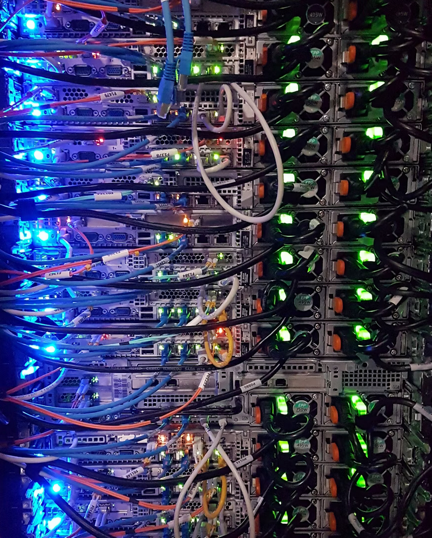
electronic-wire-lo-Massimo Botturi-Unsplash.com
When Data Starts Making Its Own Choices
Once upon a time, data was inert—a pile of numbers waiting for humans to interpret. Today, that era is fading. Machine learning has turned data from something analyzed into something that acts. The new frontier isn’t about storing information; it’s about letting it decide.
In industries from finance to healthcare, algorithms are already making operational decisions. Hospitals rely on data-driven diagnostics that recommend treatments faster than doctors can. Financial systems automatically adjust portfolios based on shifting market conditions, learning as they go. The human role is increasingly one of supervision, not command.
This change began with predictive analytics , the art of using past patterns to forecast future outcomes. But the next step is autonomy—systems that not only predict but act. In logistics, self-learning software reroutes shipments to avoid delays without human input. In agriculture, smart sensors regulate irrigation based on soil data and weather forecasts.
The idea of “data making choices” may sound poetic, but it’s grounded in hard engineering. Each decision comes from millions of computations, modeled and refined by feedback loops. The more data the system receives, the more capable it becomes. Like a living organism, it adapts.
However, this autonomy raises questions about responsibility. When a self-learning system makes a wrong call—like denying a loan or misdiagnosing a patient—who is accountable? As governments draft new AI regulations, the balance between innovation and ethics becomes critical.
Some researchers are designing explainable AI, models that can justify their reasoning. Others are exploring hybrid systems that combine human intuition with machine logic. Both aim to keep humanity in the loop while harnessing data’s growing intelligence.
Data no longer waits for us. It reacts, adapts, and sometimes decides. In the digital age, control is no longer about commanding machines—but about understanding how they think.