A PHP Error was encountered
Severity: 8192
Message: Creation of dynamic property CI_URI::$config is deprecated
Filename: core/URI.php
Line Number: 101
Backtrace:
File: /home/u463834734/domains/techripiu.com/public_html/index.php
A PHP Error was encountered
Severity: 8192
Message: Creation of dynamic property CI_Router::$uri is deprecated
Filename: core/Router.php
Line Number: 127
Backtrace:
File: /home/u463834734/domains/techripiu.com/public_html/index.php
A PHP Error was encountered
Severity: 8192
Message: Creation of dynamic property Frontend::$benchmark is deprecated
Filename: core/Controller.php
Line Number: 75
Backtrace:
File: /home/u463834734/domains/techripiu.com/public_html/application/controllers/Frontend.php
File: /home/u463834734/domains/techripiu.com/public_html/index.php
A PHP Error was encountered
Severity: 8192
Message: Creation of dynamic property Frontend::$hooks is deprecated
Filename: core/Controller.php
Line Number: 75
Backtrace:
File: /home/u463834734/domains/techripiu.com/public_html/application/controllers/Frontend.php
File: /home/u463834734/domains/techripiu.com/public_html/index.php
A PHP Error was encountered
Severity: 8192
Message: Creation of dynamic property Frontend::$config is deprecated
Filename: core/Controller.php
Line Number: 75
Backtrace:
File: /home/u463834734/domains/techripiu.com/public_html/application/controllers/Frontend.php
File: /home/u463834734/domains/techripiu.com/public_html/index.php
A PHP Error was encountered
Severity: 8192
Message: Creation of dynamic property Frontend::$log is deprecated
Filename: core/Controller.php
Line Number: 75
Backtrace:
File: /home/u463834734/domains/techripiu.com/public_html/application/controllers/Frontend.php
File: /home/u463834734/domains/techripiu.com/public_html/index.php
A PHP Error was encountered
Severity: 8192
Message: Creation of dynamic property Frontend::$utf8 is deprecated
Filename: core/Controller.php
Line Number: 75
Backtrace:
File: /home/u463834734/domains/techripiu.com/public_html/application/controllers/Frontend.php
File: /home/u463834734/domains/techripiu.com/public_html/index.php
A PHP Error was encountered
Severity: 8192
Message: Creation of dynamic property Frontend::$uri is deprecated
Filename: core/Controller.php
Line Number: 75
Backtrace:
File: /home/u463834734/domains/techripiu.com/public_html/application/controllers/Frontend.php
File: /home/u463834734/domains/techripiu.com/public_html/index.php
A PHP Error was encountered
Severity: 8192
Message: Creation of dynamic property Frontend::$exceptions is deprecated
Filename: core/Controller.php
Line Number: 75
Backtrace:
File: /home/u463834734/domains/techripiu.com/public_html/application/controllers/Frontend.php
File: /home/u463834734/domains/techripiu.com/public_html/index.php
A PHP Error was encountered
Severity: 8192
Message: Creation of dynamic property Frontend::$router is deprecated
Filename: core/Controller.php
Line Number: 75
Backtrace:
File: /home/u463834734/domains/techripiu.com/public_html/application/controllers/Frontend.php
File: /home/u463834734/domains/techripiu.com/public_html/index.php
A PHP Error was encountered
Severity: 8192
Message: Creation of dynamic property Frontend::$output is deprecated
Filename: core/Controller.php
Line Number: 75
Backtrace:
File: /home/u463834734/domains/techripiu.com/public_html/application/controllers/Frontend.php
File: /home/u463834734/domains/techripiu.com/public_html/index.php
A PHP Error was encountered
Severity: 8192
Message: Creation of dynamic property Frontend::$security is deprecated
Filename: core/Controller.php
Line Number: 75
Backtrace:
File: /home/u463834734/domains/techripiu.com/public_html/application/controllers/Frontend.php
File: /home/u463834734/domains/techripiu.com/public_html/index.php
A PHP Error was encountered
Severity: 8192
Message: Creation of dynamic property Frontend::$input is deprecated
Filename: core/Controller.php
Line Number: 75
Backtrace:
File: /home/u463834734/domains/techripiu.com/public_html/application/controllers/Frontend.php
File: /home/u463834734/domains/techripiu.com/public_html/index.php
A PHP Error was encountered
Severity: 8192
Message: Creation of dynamic property Frontend::$lang is deprecated
Filename: core/Controller.php
Line Number: 75
Backtrace:
File: /home/u463834734/domains/techripiu.com/public_html/application/controllers/Frontend.php
File: /home/u463834734/domains/techripiu.com/public_html/index.php
A PHP Error was encountered
Severity: 8192
Message: Creation of dynamic property Frontend::$load is deprecated
Filename: core/Controller.php
Line Number: 78
Backtrace:
File: /home/u463834734/domains/techripiu.com/public_html/application/controllers/Frontend.php
File: /home/u463834734/domains/techripiu.com/public_html/index.php
A PHP Error was encountered
Severity: 8192
Message: Creation of dynamic property Frontend::$db is deprecated
Filename: core/Loader.php
Line Number: 396
Backtrace:
File: /home/u463834734/domains/techripiu.com/public_html/application/controllers/Frontend.php
File: /home/u463834734/domains/techripiu.com/public_html/index.php
A PHP Error was encountered
Severity: 8192
Message: Creation of dynamic property CI_DB_mysqli_driver::$failover is deprecated
Filename: database/DB_driver.php
Line Number: 371
Backtrace:
File: /home/u463834734/domains/techripiu.com/public_html/application/controllers/Frontend.php
File: /home/u463834734/domains/techripiu.com/public_html/index.php
A PHP Error was encountered
Severity: 8192
Message: Return type of CI_Session_files_driver::open($save_path, $name) should either be compatible with SessionHandlerInterface::open(string $path, string $name): bool, or the #[\ReturnTypeWillChange] attribute should be used to temporarily suppress the notice
Filename: drivers/Session_files_driver.php
Line Number: 132
Backtrace:
File: /home/u463834734/domains/techripiu.com/public_html/application/controllers/Frontend.php
File: /home/u463834734/domains/techripiu.com/public_html/index.php
A PHP Error was encountered
Severity: 8192
Message: Return type of CI_Session_files_driver::close() should either be compatible with SessionHandlerInterface::close(): bool, or the #[\ReturnTypeWillChange] attribute should be used to temporarily suppress the notice
Filename: drivers/Session_files_driver.php
Line Number: 292
Backtrace:
File: /home/u463834734/domains/techripiu.com/public_html/application/controllers/Frontend.php
File: /home/u463834734/domains/techripiu.com/public_html/index.php
A PHP Error was encountered
Severity: 8192
Message: Return type of CI_Session_files_driver::read($session_id) should either be compatible with SessionHandlerInterface::read(string $id): string|false, or the #[\ReturnTypeWillChange] attribute should be used to temporarily suppress the notice
Filename: drivers/Session_files_driver.php
Line Number: 166
Backtrace:
File: /home/u463834734/domains/techripiu.com/public_html/application/controllers/Frontend.php
File: /home/u463834734/domains/techripiu.com/public_html/index.php
A PHP Error was encountered
Severity: 8192
Message: Return type of CI_Session_files_driver::write($session_id, $session_data) should either be compatible with SessionHandlerInterface::write(string $id, string $data): bool, or the #[\ReturnTypeWillChange] attribute should be used to temporarily suppress the notice
Filename: drivers/Session_files_driver.php
Line Number: 235
Backtrace:
File: /home/u463834734/domains/techripiu.com/public_html/application/controllers/Frontend.php
File: /home/u463834734/domains/techripiu.com/public_html/index.php
A PHP Error was encountered
Severity: 8192
Message: Return type of CI_Session_files_driver::destroy($session_id) should either be compatible with SessionHandlerInterface::destroy(string $id): bool, or the #[\ReturnTypeWillChange] attribute should be used to temporarily suppress the notice
Filename: drivers/Session_files_driver.php
Line Number: 315
Backtrace:
File: /home/u463834734/domains/techripiu.com/public_html/application/controllers/Frontend.php
File: /home/u463834734/domains/techripiu.com/public_html/index.php
A PHP Error was encountered
Severity: 8192
Message: Return type of CI_Session_files_driver::gc($maxlifetime) should either be compatible with SessionHandlerInterface::gc(int $max_lifetime): int|false, or the #[\ReturnTypeWillChange] attribute should be used to temporarily suppress the notice
Filename: drivers/Session_files_driver.php
Line Number: 356
Backtrace:
File: /home/u463834734/domains/techripiu.com/public_html/application/controllers/Frontend.php
File: /home/u463834734/domains/techripiu.com/public_html/index.php
A PHP Error was encountered
Severity: 8192
Message: Creation of dynamic property Frontend::$session is deprecated
Filename: core/Loader.php
Line Number: 1283
Backtrace:
File: /home/u463834734/domains/techripiu.com/public_html/application/controllers/Frontend.php
File: /home/u463834734/domains/techripiu.com/public_html/index.php
A PHP Error was encountered
Severity: 8192
Message: Creation of dynamic property Frontend::$pagination is deprecated
Filename: core/Loader.php
Line Number: 1283
Backtrace:
File: /home/u463834734/domains/techripiu.com/public_html/application/controllers/Frontend.php
File: /home/u463834734/domains/techripiu.com/public_html/index.php
A PHP Error was encountered
Severity: 8192
Message: Creation of dynamic property Frontend::$agent is deprecated
Filename: core/Loader.php
Line Number: 1283
Backtrace:
File: /home/u463834734/domains/techripiu.com/public_html/application/controllers/Frontend.php
File: /home/u463834734/domains/techripiu.com/public_html/index.php
A PHP Error was encountered
Severity: 8192
Message: Creation of dynamic property Frontend::$form_validation is deprecated
Filename: core/Loader.php
Line Number: 1283
Backtrace:
File: /home/u463834734/domains/techripiu.com/public_html/application/controllers/Frontend.php
File: /home/u463834734/domains/techripiu.com/public_html/index.php
A PHP Error was encountered
Severity: 8192
Message: Creation of dynamic property Frontend::$mdl_backend is deprecated
Filename: core/Loader.php
Line Number: 358
Backtrace:
File: /home/u463834734/domains/techripiu.com/public_html/application/controllers/Frontend.php
File: /home/u463834734/domains/techripiu.com/public_html/index.php
A PHP Error was encountered
Severity: 8192
Message: Creation of dynamic property CI_Loader::$benchmark is deprecated
Filename: core/Loader.php
Line Number: 931
Backtrace:
File: /home/u463834734/domains/techripiu.com/public_html/application/controllers/Frontend.php
File: /home/u463834734/domains/techripiu.com/public_html/index.php
A PHP Error was encountered
Severity: 8192
Message: Creation of dynamic property CI_Loader::$hooks is deprecated
Filename: core/Loader.php
Line Number: 931
Backtrace:
File: /home/u463834734/domains/techripiu.com/public_html/application/controllers/Frontend.php
File: /home/u463834734/domains/techripiu.com/public_html/index.php
A PHP Error was encountered
Severity: 8192
Message: Creation of dynamic property CI_Loader::$config is deprecated
Filename: core/Loader.php
Line Number: 931
Backtrace:
File: /home/u463834734/domains/techripiu.com/public_html/application/controllers/Frontend.php
File: /home/u463834734/domains/techripiu.com/public_html/index.php
A PHP Error was encountered
Severity: 8192
Message: Creation of dynamic property CI_Loader::$log is deprecated
Filename: core/Loader.php
Line Number: 931
Backtrace:
File: /home/u463834734/domains/techripiu.com/public_html/application/controllers/Frontend.php
File: /home/u463834734/domains/techripiu.com/public_html/index.php
A PHP Error was encountered
Severity: 8192
Message: Creation of dynamic property CI_Loader::$utf8 is deprecated
Filename: core/Loader.php
Line Number: 931
Backtrace:
File: /home/u463834734/domains/techripiu.com/public_html/application/controllers/Frontend.php
File: /home/u463834734/domains/techripiu.com/public_html/index.php
A PHP Error was encountered
Severity: 8192
Message: Creation of dynamic property CI_Loader::$uri is deprecated
Filename: core/Loader.php
Line Number: 931
Backtrace:
File: /home/u463834734/domains/techripiu.com/public_html/application/controllers/Frontend.php
File: /home/u463834734/domains/techripiu.com/public_html/index.php
A PHP Error was encountered
Severity: 8192
Message: Creation of dynamic property CI_Loader::$exceptions is deprecated
Filename: core/Loader.php
Line Number: 931
Backtrace:
File: /home/u463834734/domains/techripiu.com/public_html/application/controllers/Frontend.php
File: /home/u463834734/domains/techripiu.com/public_html/index.php
A PHP Error was encountered
Severity: 8192
Message: Creation of dynamic property CI_Loader::$router is deprecated
Filename: core/Loader.php
Line Number: 931
Backtrace:
File: /home/u463834734/domains/techripiu.com/public_html/application/controllers/Frontend.php
File: /home/u463834734/domains/techripiu.com/public_html/index.php
A PHP Error was encountered
Severity: 8192
Message: Creation of dynamic property CI_Loader::$output is deprecated
Filename: core/Loader.php
Line Number: 931
Backtrace:
File: /home/u463834734/domains/techripiu.com/public_html/application/controllers/Frontend.php
File: /home/u463834734/domains/techripiu.com/public_html/index.php
A PHP Error was encountered
Severity: 8192
Message: Creation of dynamic property CI_Loader::$security is deprecated
Filename: core/Loader.php
Line Number: 931
Backtrace:
File: /home/u463834734/domains/techripiu.com/public_html/application/controllers/Frontend.php
File: /home/u463834734/domains/techripiu.com/public_html/index.php
A PHP Error was encountered
Severity: 8192
Message: Creation of dynamic property CI_Loader::$input is deprecated
Filename: core/Loader.php
Line Number: 931
Backtrace:
File: /home/u463834734/domains/techripiu.com/public_html/application/controllers/Frontend.php
File: /home/u463834734/domains/techripiu.com/public_html/index.php
A PHP Error was encountered
Severity: 8192
Message: Creation of dynamic property CI_Loader::$lang is deprecated
Filename: core/Loader.php
Line Number: 931
Backtrace:
File: /home/u463834734/domains/techripiu.com/public_html/application/controllers/Frontend.php
File: /home/u463834734/domains/techripiu.com/public_html/index.php
A PHP Error was encountered
Severity: 8192
Message: Creation of dynamic property CI_Loader::$load is deprecated
Filename: core/Loader.php
Line Number: 931
Backtrace:
File: /home/u463834734/domains/techripiu.com/public_html/application/controllers/Frontend.php
File: /home/u463834734/domains/techripiu.com/public_html/index.php
A PHP Error was encountered
Severity: 8192
Message: Creation of dynamic property CI_Loader::$db is deprecated
Filename: core/Loader.php
Line Number: 931
Backtrace:
File: /home/u463834734/domains/techripiu.com/public_html/application/controllers/Frontend.php
File: /home/u463834734/domains/techripiu.com/public_html/index.php
A PHP Error was encountered
Severity: 8192
Message: Creation of dynamic property CI_Loader::$session is deprecated
Filename: core/Loader.php
Line Number: 931
Backtrace:
File: /home/u463834734/domains/techripiu.com/public_html/application/controllers/Frontend.php
File: /home/u463834734/domains/techripiu.com/public_html/index.php
A PHP Error was encountered
Severity: 8192
Message: Creation of dynamic property CI_Loader::$pagination is deprecated
Filename: core/Loader.php
Line Number: 931
Backtrace:
File: /home/u463834734/domains/techripiu.com/public_html/application/controllers/Frontend.php
File: /home/u463834734/domains/techripiu.com/public_html/index.php
A PHP Error was encountered
Severity: 8192
Message: Creation of dynamic property CI_Loader::$agent is deprecated
Filename: core/Loader.php
Line Number: 931
Backtrace:
File: /home/u463834734/domains/techripiu.com/public_html/application/controllers/Frontend.php
File: /home/u463834734/domains/techripiu.com/public_html/index.php
A PHP Error was encountered
Severity: 8192
Message: Creation of dynamic property CI_Loader::$form_validation is deprecated
Filename: core/Loader.php
Line Number: 931
Backtrace:
File: /home/u463834734/domains/techripiu.com/public_html/application/controllers/Frontend.php
File: /home/u463834734/domains/techripiu.com/public_html/index.php
A PHP Error was encountered
Severity: 8192
Message: Creation of dynamic property CI_Loader::$mdl_backend is deprecated
Filename: core/Loader.php
Line Number: 931
Backtrace:
File: /home/u463834734/domains/techripiu.com/public_html/application/controllers/Frontend.php
File: /home/u463834734/domains/techripiu.com/public_html/index.php
The Blurring Line Between Human And Machine Logic
The Blurring Line Between Human And Machine Logic
Reporter:
ikbal ikbal |
Editor:
ikbal ikbal |
Kamis 13-11-2025,13:14 WIB
Next generation and Artificial inteligence-Aidin Geranrekab-Unsplash.com
The Blurring Line Between Human And Machine Logic
Once, logic was the realm of philosophers and thinkers. Machines simply followed orders. That boundary is dissolving fast. Artificial intelligence is beginning to mirror not just how humans think—but why they think.
Advances in cognitive computing and neuroscience are teaching machines to process uncertainty, emotion, and contradiction—the very elements that make human reasoning unique. Instead of binary yes-or-no responses, new AI models consider probability, nuance, and ethics.
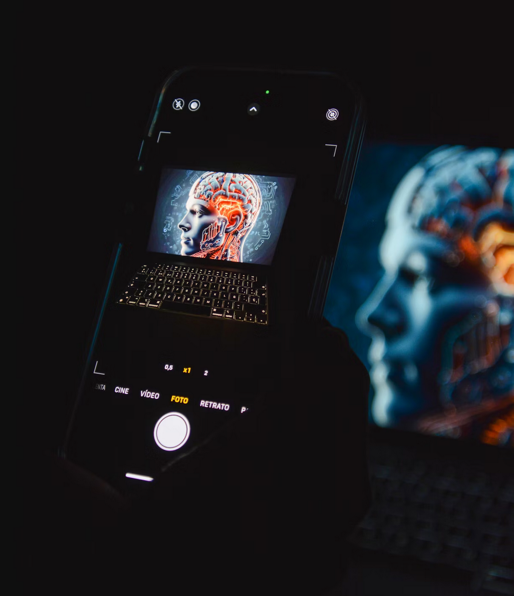
In research labs, neural architectures inspired by the human brain now simulate creativity and intuition. Some systems generate original art, music, or scientific hypotheses. Others learn moral reasoning from human feedback, attempting to understand fairness and consequence.
Yet, this growing similarity also sparks unease. When a machine can argue, decide, and persuade, where does human distinctiveness remain? The question isn’t about superiority but coexistence. Will machines complement human logic or compete with it?
Collaborative intelligence—a partnership between humans and machines—is emerging as a balanced approach. In this model, humans provide goals and context, while machines handle complexity and scale. Together, they achieve outcomes neither could reach alone.
Neuroscientists now explore direct brain-computer interfaces that may blur the boundary even further. By translating neural signals into commands, these systems let people control devices with thought alone. The implications for medicine, communication, and creativity are profound.
As algorithms grow more human-like, society must decide how to integrate them ethically. Logic may be merging, but values remain distinctly human. The line between man and machine is fading—but the dialogue has only begun.