A PHP Error was encountered
Severity: 8192
Message: Creation of dynamic property CI_URI::$config is deprecated
Filename: core/URI.php
Line Number: 101
Backtrace:
File: /home/u463834734/domains/techripiu.com/public_html/index.php
A PHP Error was encountered
Severity: 8192
Message: Creation of dynamic property CI_Router::$uri is deprecated
Filename: core/Router.php
Line Number: 127
Backtrace:
File: /home/u463834734/domains/techripiu.com/public_html/index.php
A PHP Error was encountered
Severity: 8192
Message: Creation of dynamic property Frontend::$benchmark is deprecated
Filename: core/Controller.php
Line Number: 75
Backtrace:
File: /home/u463834734/domains/techripiu.com/public_html/application/controllers/Frontend.php
File: /home/u463834734/domains/techripiu.com/public_html/index.php
A PHP Error was encountered
Severity: 8192
Message: Creation of dynamic property Frontend::$hooks is deprecated
Filename: core/Controller.php
Line Number: 75
Backtrace:
File: /home/u463834734/domains/techripiu.com/public_html/application/controllers/Frontend.php
File: /home/u463834734/domains/techripiu.com/public_html/index.php
A PHP Error was encountered
Severity: 8192
Message: Creation of dynamic property Frontend::$config is deprecated
Filename: core/Controller.php
Line Number: 75
Backtrace:
File: /home/u463834734/domains/techripiu.com/public_html/application/controllers/Frontend.php
File: /home/u463834734/domains/techripiu.com/public_html/index.php
A PHP Error was encountered
Severity: 8192
Message: Creation of dynamic property Frontend::$log is deprecated
Filename: core/Controller.php
Line Number: 75
Backtrace:
File: /home/u463834734/domains/techripiu.com/public_html/application/controllers/Frontend.php
File: /home/u463834734/domains/techripiu.com/public_html/index.php
A PHP Error was encountered
Severity: 8192
Message: Creation of dynamic property Frontend::$utf8 is deprecated
Filename: core/Controller.php
Line Number: 75
Backtrace:
File: /home/u463834734/domains/techripiu.com/public_html/application/controllers/Frontend.php
File: /home/u463834734/domains/techripiu.com/public_html/index.php
A PHP Error was encountered
Severity: 8192
Message: Creation of dynamic property Frontend::$uri is deprecated
Filename: core/Controller.php
Line Number: 75
Backtrace:
File: /home/u463834734/domains/techripiu.com/public_html/application/controllers/Frontend.php
File: /home/u463834734/domains/techripiu.com/public_html/index.php
A PHP Error was encountered
Severity: 8192
Message: Creation of dynamic property Frontend::$exceptions is deprecated
Filename: core/Controller.php
Line Number: 75
Backtrace:
File: /home/u463834734/domains/techripiu.com/public_html/application/controllers/Frontend.php
File: /home/u463834734/domains/techripiu.com/public_html/index.php
A PHP Error was encountered
Severity: 8192
Message: Creation of dynamic property Frontend::$router is deprecated
Filename: core/Controller.php
Line Number: 75
Backtrace:
File: /home/u463834734/domains/techripiu.com/public_html/application/controllers/Frontend.php
File: /home/u463834734/domains/techripiu.com/public_html/index.php
A PHP Error was encountered
Severity: 8192
Message: Creation of dynamic property Frontend::$output is deprecated
Filename: core/Controller.php
Line Number: 75
Backtrace:
File: /home/u463834734/domains/techripiu.com/public_html/application/controllers/Frontend.php
File: /home/u463834734/domains/techripiu.com/public_html/index.php
A PHP Error was encountered
Severity: 8192
Message: Creation of dynamic property Frontend::$security is deprecated
Filename: core/Controller.php
Line Number: 75
Backtrace:
File: /home/u463834734/domains/techripiu.com/public_html/application/controllers/Frontend.php
File: /home/u463834734/domains/techripiu.com/public_html/index.php
A PHP Error was encountered
Severity: 8192
Message: Creation of dynamic property Frontend::$input is deprecated
Filename: core/Controller.php
Line Number: 75
Backtrace:
File: /home/u463834734/domains/techripiu.com/public_html/application/controllers/Frontend.php
File: /home/u463834734/domains/techripiu.com/public_html/index.php
A PHP Error was encountered
Severity: 8192
Message: Creation of dynamic property Frontend::$lang is deprecated
Filename: core/Controller.php
Line Number: 75
Backtrace:
File: /home/u463834734/domains/techripiu.com/public_html/application/controllers/Frontend.php
File: /home/u463834734/domains/techripiu.com/public_html/index.php
A PHP Error was encountered
Severity: 8192
Message: Creation of dynamic property Frontend::$load is deprecated
Filename: core/Controller.php
Line Number: 78
Backtrace:
File: /home/u463834734/domains/techripiu.com/public_html/application/controllers/Frontend.php
File: /home/u463834734/domains/techripiu.com/public_html/index.php
A PHP Error was encountered
Severity: 8192
Message: Creation of dynamic property Frontend::$db is deprecated
Filename: core/Loader.php
Line Number: 396
Backtrace:
File: /home/u463834734/domains/techripiu.com/public_html/application/controllers/Frontend.php
File: /home/u463834734/domains/techripiu.com/public_html/index.php
A PHP Error was encountered
Severity: 8192
Message: Creation of dynamic property CI_DB_mysqli_driver::$failover is deprecated
Filename: database/DB_driver.php
Line Number: 371
Backtrace:
File: /home/u463834734/domains/techripiu.com/public_html/application/controllers/Frontend.php
File: /home/u463834734/domains/techripiu.com/public_html/index.php
A PHP Error was encountered
Severity: 8192
Message: Return type of CI_Session_files_driver::open($save_path, $name) should either be compatible with SessionHandlerInterface::open(string $path, string $name): bool, or the #[\ReturnTypeWillChange] attribute should be used to temporarily suppress the notice
Filename: drivers/Session_files_driver.php
Line Number: 132
Backtrace:
File: /home/u463834734/domains/techripiu.com/public_html/application/controllers/Frontend.php
File: /home/u463834734/domains/techripiu.com/public_html/index.php
A PHP Error was encountered
Severity: 8192
Message: Return type of CI_Session_files_driver::close() should either be compatible with SessionHandlerInterface::close(): bool, or the #[\ReturnTypeWillChange] attribute should be used to temporarily suppress the notice
Filename: drivers/Session_files_driver.php
Line Number: 292
Backtrace:
File: /home/u463834734/domains/techripiu.com/public_html/application/controllers/Frontend.php
File: /home/u463834734/domains/techripiu.com/public_html/index.php
A PHP Error was encountered
Severity: 8192
Message: Return type of CI_Session_files_driver::read($session_id) should either be compatible with SessionHandlerInterface::read(string $id): string|false, or the #[\ReturnTypeWillChange] attribute should be used to temporarily suppress the notice
Filename: drivers/Session_files_driver.php
Line Number: 166
Backtrace:
File: /home/u463834734/domains/techripiu.com/public_html/application/controllers/Frontend.php
File: /home/u463834734/domains/techripiu.com/public_html/index.php
A PHP Error was encountered
Severity: 8192
Message: Return type of CI_Session_files_driver::write($session_id, $session_data) should either be compatible with SessionHandlerInterface::write(string $id, string $data): bool, or the #[\ReturnTypeWillChange] attribute should be used to temporarily suppress the notice
Filename: drivers/Session_files_driver.php
Line Number: 235
Backtrace:
File: /home/u463834734/domains/techripiu.com/public_html/application/controllers/Frontend.php
File: /home/u463834734/domains/techripiu.com/public_html/index.php
A PHP Error was encountered
Severity: 8192
Message: Return type of CI_Session_files_driver::destroy($session_id) should either be compatible with SessionHandlerInterface::destroy(string $id): bool, or the #[\ReturnTypeWillChange] attribute should be used to temporarily suppress the notice
Filename: drivers/Session_files_driver.php
Line Number: 315
Backtrace:
File: /home/u463834734/domains/techripiu.com/public_html/application/controllers/Frontend.php
File: /home/u463834734/domains/techripiu.com/public_html/index.php
A PHP Error was encountered
Severity: 8192
Message: Return type of CI_Session_files_driver::gc($maxlifetime) should either be compatible with SessionHandlerInterface::gc(int $max_lifetime): int|false, or the #[\ReturnTypeWillChange] attribute should be used to temporarily suppress the notice
Filename: drivers/Session_files_driver.php
Line Number: 356
Backtrace:
File: /home/u463834734/domains/techripiu.com/public_html/application/controllers/Frontend.php
File: /home/u463834734/domains/techripiu.com/public_html/index.php
A PHP Error was encountered
Severity: 8192
Message: Creation of dynamic property Frontend::$session is deprecated
Filename: core/Loader.php
Line Number: 1283
Backtrace:
File: /home/u463834734/domains/techripiu.com/public_html/application/controllers/Frontend.php
File: /home/u463834734/domains/techripiu.com/public_html/index.php
A PHP Error was encountered
Severity: 8192
Message: Creation of dynamic property Frontend::$pagination is deprecated
Filename: core/Loader.php
Line Number: 1283
Backtrace:
File: /home/u463834734/domains/techripiu.com/public_html/application/controllers/Frontend.php
File: /home/u463834734/domains/techripiu.com/public_html/index.php
A PHP Error was encountered
Severity: 8192
Message: Creation of dynamic property Frontend::$agent is deprecated
Filename: core/Loader.php
Line Number: 1283
Backtrace:
File: /home/u463834734/domains/techripiu.com/public_html/application/controllers/Frontend.php
File: /home/u463834734/domains/techripiu.com/public_html/index.php
A PHP Error was encountered
Severity: 8192
Message: Creation of dynamic property Frontend::$form_validation is deprecated
Filename: core/Loader.php
Line Number: 1283
Backtrace:
File: /home/u463834734/domains/techripiu.com/public_html/application/controllers/Frontend.php
File: /home/u463834734/domains/techripiu.com/public_html/index.php
A PHP Error was encountered
Severity: 8192
Message: Creation of dynamic property Frontend::$mdl_backend is deprecated
Filename: core/Loader.php
Line Number: 358
Backtrace:
File: /home/u463834734/domains/techripiu.com/public_html/application/controllers/Frontend.php
File: /home/u463834734/domains/techripiu.com/public_html/index.php
A PHP Error was encountered
Severity: 8192
Message: Creation of dynamic property CI_Loader::$benchmark is deprecated
Filename: core/Loader.php
Line Number: 931
Backtrace:
File: /home/u463834734/domains/techripiu.com/public_html/application/controllers/Frontend.php
File: /home/u463834734/domains/techripiu.com/public_html/index.php
A PHP Error was encountered
Severity: 8192
Message: Creation of dynamic property CI_Loader::$hooks is deprecated
Filename: core/Loader.php
Line Number: 931
Backtrace:
File: /home/u463834734/domains/techripiu.com/public_html/application/controllers/Frontend.php
File: /home/u463834734/domains/techripiu.com/public_html/index.php
A PHP Error was encountered
Severity: 8192
Message: Creation of dynamic property CI_Loader::$config is deprecated
Filename: core/Loader.php
Line Number: 931
Backtrace:
File: /home/u463834734/domains/techripiu.com/public_html/application/controllers/Frontend.php
File: /home/u463834734/domains/techripiu.com/public_html/index.php
A PHP Error was encountered
Severity: 8192
Message: Creation of dynamic property CI_Loader::$log is deprecated
Filename: core/Loader.php
Line Number: 931
Backtrace:
File: /home/u463834734/domains/techripiu.com/public_html/application/controllers/Frontend.php
File: /home/u463834734/domains/techripiu.com/public_html/index.php
A PHP Error was encountered
Severity: 8192
Message: Creation of dynamic property CI_Loader::$utf8 is deprecated
Filename: core/Loader.php
Line Number: 931
Backtrace:
File: /home/u463834734/domains/techripiu.com/public_html/application/controllers/Frontend.php
File: /home/u463834734/domains/techripiu.com/public_html/index.php
A PHP Error was encountered
Severity: 8192
Message: Creation of dynamic property CI_Loader::$uri is deprecated
Filename: core/Loader.php
Line Number: 931
Backtrace:
File: /home/u463834734/domains/techripiu.com/public_html/application/controllers/Frontend.php
File: /home/u463834734/domains/techripiu.com/public_html/index.php
A PHP Error was encountered
Severity: 8192
Message: Creation of dynamic property CI_Loader::$exceptions is deprecated
Filename: core/Loader.php
Line Number: 931
Backtrace:
File: /home/u463834734/domains/techripiu.com/public_html/application/controllers/Frontend.php
File: /home/u463834734/domains/techripiu.com/public_html/index.php
A PHP Error was encountered
Severity: 8192
Message: Creation of dynamic property CI_Loader::$router is deprecated
Filename: core/Loader.php
Line Number: 931
Backtrace:
File: /home/u463834734/domains/techripiu.com/public_html/application/controllers/Frontend.php
File: /home/u463834734/domains/techripiu.com/public_html/index.php
A PHP Error was encountered
Severity: 8192
Message: Creation of dynamic property CI_Loader::$output is deprecated
Filename: core/Loader.php
Line Number: 931
Backtrace:
File: /home/u463834734/domains/techripiu.com/public_html/application/controllers/Frontend.php
File: /home/u463834734/domains/techripiu.com/public_html/index.php
A PHP Error was encountered
Severity: 8192
Message: Creation of dynamic property CI_Loader::$security is deprecated
Filename: core/Loader.php
Line Number: 931
Backtrace:
File: /home/u463834734/domains/techripiu.com/public_html/application/controllers/Frontend.php
File: /home/u463834734/domains/techripiu.com/public_html/index.php
A PHP Error was encountered
Severity: 8192
Message: Creation of dynamic property CI_Loader::$input is deprecated
Filename: core/Loader.php
Line Number: 931
Backtrace:
File: /home/u463834734/domains/techripiu.com/public_html/application/controllers/Frontend.php
File: /home/u463834734/domains/techripiu.com/public_html/index.php
A PHP Error was encountered
Severity: 8192
Message: Creation of dynamic property CI_Loader::$lang is deprecated
Filename: core/Loader.php
Line Number: 931
Backtrace:
File: /home/u463834734/domains/techripiu.com/public_html/application/controllers/Frontend.php
File: /home/u463834734/domains/techripiu.com/public_html/index.php
A PHP Error was encountered
Severity: 8192
Message: Creation of dynamic property CI_Loader::$load is deprecated
Filename: core/Loader.php
Line Number: 931
Backtrace:
File: /home/u463834734/domains/techripiu.com/public_html/application/controllers/Frontend.php
File: /home/u463834734/domains/techripiu.com/public_html/index.php
A PHP Error was encountered
Severity: 8192
Message: Creation of dynamic property CI_Loader::$db is deprecated
Filename: core/Loader.php
Line Number: 931
Backtrace:
File: /home/u463834734/domains/techripiu.com/public_html/application/controllers/Frontend.php
File: /home/u463834734/domains/techripiu.com/public_html/index.php
A PHP Error was encountered
Severity: 8192
Message: Creation of dynamic property CI_Loader::$session is deprecated
Filename: core/Loader.php
Line Number: 931
Backtrace:
File: /home/u463834734/domains/techripiu.com/public_html/application/controllers/Frontend.php
File: /home/u463834734/domains/techripiu.com/public_html/index.php
A PHP Error was encountered
Severity: 8192
Message: Creation of dynamic property CI_Loader::$pagination is deprecated
Filename: core/Loader.php
Line Number: 931
Backtrace:
File: /home/u463834734/domains/techripiu.com/public_html/application/controllers/Frontend.php
File: /home/u463834734/domains/techripiu.com/public_html/index.php
A PHP Error was encountered
Severity: 8192
Message: Creation of dynamic property CI_Loader::$agent is deprecated
Filename: core/Loader.php
Line Number: 931
Backtrace:
File: /home/u463834734/domains/techripiu.com/public_html/application/controllers/Frontend.php
File: /home/u463834734/domains/techripiu.com/public_html/index.php
A PHP Error was encountered
Severity: 8192
Message: Creation of dynamic property CI_Loader::$form_validation is deprecated
Filename: core/Loader.php
Line Number: 931
Backtrace:
File: /home/u463834734/domains/techripiu.com/public_html/application/controllers/Frontend.php
File: /home/u463834734/domains/techripiu.com/public_html/index.php
A PHP Error was encountered
Severity: 8192
Message: Creation of dynamic property CI_Loader::$mdl_backend is deprecated
Filename: core/Loader.php
Line Number: 931
Backtrace:
File: /home/u463834734/domains/techripiu.com/public_html/application/controllers/Frontend.php
File: /home/u463834734/domains/techripiu.com/public_html/index.php
How Smart Networks Are Building A Digital Brain
How Smart Networks Are Building A Digital Brain
Reporter:
ikbal ikbal |
Editor:
ikbal ikbal |
Jumat 14-11-2025,11:29 WIB
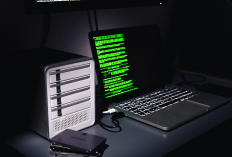
black-and-white-modem-route-Maarten Wijnants-Unsplash.com
Engineers describe today’s interconnected systems as early versions of a digital brain. The idea emerges from network structures that pass information through millions of nodes. These nodes handle storage, compute tasks, environmental data, and model predictions. Their connections form pathways that behave like synapses. The similarities encouraged researchers to examine how distributed computing environments start resembling neural activity at scale.
The network builds intelligence through constant data flow. Each node receives input, processes it, then forwards insights. Over time, the entire system begins to predict outcomes. Cloud research groups discovered that network optimization makes certain pathways stronger. Frequently accessed routes become faster while rarely used ones fade. This mirrors biological reinforcement patterns. While machines do not replicate biology, they demonstrate a comparable structure in how information travels.
Infrastructure Behind the System
The backbone of the digital brain exists in global data centers. These facilities host clusters that coordinate tasks across continents. The system evaluates energy use, server temperature, user requests, and application performance.
Data ingestion nodes collect raw input
Processing layers refine it into usable signals
Prediction engines generate outputs for applications
Feedback cycles reinforce accurate routes
Researchers observe predictable patterns. A cluster in Asia may take over tasks when another region faces peak demand. A segment in Europe may reroute queries when latency increases. These decisions happen autonomously. Operators monitor them but rarely intervene unless an anomaly appears. The autonomy grew as engineers applied reinforcement models to infrastructure controls.
Applications Across Industries
Smart networks support transportation systems, financial platforms, research labs, and media distribution. Urban planners use them to optimize traffic patterns. Meteorology teams process climate data. Streaming services adjust video quality based on bandwidth changes. Each sector relies on the same principle. The network learns from repeated tasks until prediction becomes routine.
Energy companies adopted smart grids built on similar networks. The system predicts consumption and balances supply. It routes electricity from renewable sources when conditions allow. It compensates during peak usage. The grid behaves like a living network that reacts to external pressure without human micromanagement.
The Expanding Capabilities
As more devices connect, the digital brain gains new inputs. Sensors in factories report machine conditions. Agricultural platforms measure soil moisture. Medical equipment tracks vital signs. The diversity of data enriches prediction quality. The expansion raises questions about security, transparency, and control. Engineers focus on building clear protocols to prevent misuse and maintain stability.
The idea of a single digital brain is symbolic. It describes the collective intelligence formed when millions of machines work together. The growth continues as networks expand, models advance, and industries adopt predictive automation. Observers watch how this invisible infrastructure shapes daily experiences.