A PHP Error was encountered
Severity: 8192
Message: Creation of dynamic property CI_URI::$config is deprecated
Filename: core/URI.php
Line Number: 101
Backtrace:
File: /home/u463834734/domains/techripiu.com/public_html/index.php
A PHP Error was encountered
Severity: 8192
Message: Creation of dynamic property CI_Router::$uri is deprecated
Filename: core/Router.php
Line Number: 127
Backtrace:
File: /home/u463834734/domains/techripiu.com/public_html/index.php
A PHP Error was encountered
Severity: 8192
Message: Creation of dynamic property Frontend::$benchmark is deprecated
Filename: core/Controller.php
Line Number: 75
Backtrace:
File: /home/u463834734/domains/techripiu.com/public_html/application/controllers/Frontend.php
File: /home/u463834734/domains/techripiu.com/public_html/index.php
A PHP Error was encountered
Severity: 8192
Message: Creation of dynamic property Frontend::$hooks is deprecated
Filename: core/Controller.php
Line Number: 75
Backtrace:
File: /home/u463834734/domains/techripiu.com/public_html/application/controllers/Frontend.php
File: /home/u463834734/domains/techripiu.com/public_html/index.php
A PHP Error was encountered
Severity: 8192
Message: Creation of dynamic property Frontend::$config is deprecated
Filename: core/Controller.php
Line Number: 75
Backtrace:
File: /home/u463834734/domains/techripiu.com/public_html/application/controllers/Frontend.php
File: /home/u463834734/domains/techripiu.com/public_html/index.php
A PHP Error was encountered
Severity: 8192
Message: Creation of dynamic property Frontend::$log is deprecated
Filename: core/Controller.php
Line Number: 75
Backtrace:
File: /home/u463834734/domains/techripiu.com/public_html/application/controllers/Frontend.php
File: /home/u463834734/domains/techripiu.com/public_html/index.php
A PHP Error was encountered
Severity: 8192
Message: Creation of dynamic property Frontend::$utf8 is deprecated
Filename: core/Controller.php
Line Number: 75
Backtrace:
File: /home/u463834734/domains/techripiu.com/public_html/application/controllers/Frontend.php
File: /home/u463834734/domains/techripiu.com/public_html/index.php
A PHP Error was encountered
Severity: 8192
Message: Creation of dynamic property Frontend::$uri is deprecated
Filename: core/Controller.php
Line Number: 75
Backtrace:
File: /home/u463834734/domains/techripiu.com/public_html/application/controllers/Frontend.php
File: /home/u463834734/domains/techripiu.com/public_html/index.php
A PHP Error was encountered
Severity: 8192
Message: Creation of dynamic property Frontend::$exceptions is deprecated
Filename: core/Controller.php
Line Number: 75
Backtrace:
File: /home/u463834734/domains/techripiu.com/public_html/application/controllers/Frontend.php
File: /home/u463834734/domains/techripiu.com/public_html/index.php
A PHP Error was encountered
Severity: 8192
Message: Creation of dynamic property Frontend::$router is deprecated
Filename: core/Controller.php
Line Number: 75
Backtrace:
File: /home/u463834734/domains/techripiu.com/public_html/application/controllers/Frontend.php
File: /home/u463834734/domains/techripiu.com/public_html/index.php
A PHP Error was encountered
Severity: 8192
Message: Creation of dynamic property Frontend::$output is deprecated
Filename: core/Controller.php
Line Number: 75
Backtrace:
File: /home/u463834734/domains/techripiu.com/public_html/application/controllers/Frontend.php
File: /home/u463834734/domains/techripiu.com/public_html/index.php
A PHP Error was encountered
Severity: 8192
Message: Creation of dynamic property Frontend::$security is deprecated
Filename: core/Controller.php
Line Number: 75
Backtrace:
File: /home/u463834734/domains/techripiu.com/public_html/application/controllers/Frontend.php
File: /home/u463834734/domains/techripiu.com/public_html/index.php
A PHP Error was encountered
Severity: 8192
Message: Creation of dynamic property Frontend::$input is deprecated
Filename: core/Controller.php
Line Number: 75
Backtrace:
File: /home/u463834734/domains/techripiu.com/public_html/application/controllers/Frontend.php
File: /home/u463834734/domains/techripiu.com/public_html/index.php
A PHP Error was encountered
Severity: 8192
Message: Creation of dynamic property Frontend::$lang is deprecated
Filename: core/Controller.php
Line Number: 75
Backtrace:
File: /home/u463834734/domains/techripiu.com/public_html/application/controllers/Frontend.php
File: /home/u463834734/domains/techripiu.com/public_html/index.php
A PHP Error was encountered
Severity: 8192
Message: Creation of dynamic property Frontend::$load is deprecated
Filename: core/Controller.php
Line Number: 78
Backtrace:
File: /home/u463834734/domains/techripiu.com/public_html/application/controllers/Frontend.php
File: /home/u463834734/domains/techripiu.com/public_html/index.php
A PHP Error was encountered
Severity: 8192
Message: Creation of dynamic property Frontend::$db is deprecated
Filename: core/Loader.php
Line Number: 396
Backtrace:
File: /home/u463834734/domains/techripiu.com/public_html/application/controllers/Frontend.php
File: /home/u463834734/domains/techripiu.com/public_html/index.php
A PHP Error was encountered
Severity: 8192
Message: Creation of dynamic property CI_DB_mysqli_driver::$failover is deprecated
Filename: database/DB_driver.php
Line Number: 371
Backtrace:
File: /home/u463834734/domains/techripiu.com/public_html/application/controllers/Frontend.php
File: /home/u463834734/domains/techripiu.com/public_html/index.php
A PHP Error was encountered
Severity: 8192
Message: Return type of CI_Session_files_driver::open($save_path, $name) should either be compatible with SessionHandlerInterface::open(string $path, string $name): bool, or the #[\ReturnTypeWillChange] attribute should be used to temporarily suppress the notice
Filename: drivers/Session_files_driver.php
Line Number: 132
Backtrace:
File: /home/u463834734/domains/techripiu.com/public_html/application/controllers/Frontend.php
File: /home/u463834734/domains/techripiu.com/public_html/index.php
A PHP Error was encountered
Severity: 8192
Message: Return type of CI_Session_files_driver::close() should either be compatible with SessionHandlerInterface::close(): bool, or the #[\ReturnTypeWillChange] attribute should be used to temporarily suppress the notice
Filename: drivers/Session_files_driver.php
Line Number: 292
Backtrace:
File: /home/u463834734/domains/techripiu.com/public_html/application/controllers/Frontend.php
File: /home/u463834734/domains/techripiu.com/public_html/index.php
A PHP Error was encountered
Severity: 8192
Message: Return type of CI_Session_files_driver::read($session_id) should either be compatible with SessionHandlerInterface::read(string $id): string|false, or the #[\ReturnTypeWillChange] attribute should be used to temporarily suppress the notice
Filename: drivers/Session_files_driver.php
Line Number: 166
Backtrace:
File: /home/u463834734/domains/techripiu.com/public_html/application/controllers/Frontend.php
File: /home/u463834734/domains/techripiu.com/public_html/index.php
A PHP Error was encountered
Severity: 8192
Message: Return type of CI_Session_files_driver::write($session_id, $session_data) should either be compatible with SessionHandlerInterface::write(string $id, string $data): bool, or the #[\ReturnTypeWillChange] attribute should be used to temporarily suppress the notice
Filename: drivers/Session_files_driver.php
Line Number: 235
Backtrace:
File: /home/u463834734/domains/techripiu.com/public_html/application/controllers/Frontend.php
File: /home/u463834734/domains/techripiu.com/public_html/index.php
A PHP Error was encountered
Severity: 8192
Message: Return type of CI_Session_files_driver::destroy($session_id) should either be compatible with SessionHandlerInterface::destroy(string $id): bool, or the #[\ReturnTypeWillChange] attribute should be used to temporarily suppress the notice
Filename: drivers/Session_files_driver.php
Line Number: 315
Backtrace:
File: /home/u463834734/domains/techripiu.com/public_html/application/controllers/Frontend.php
File: /home/u463834734/domains/techripiu.com/public_html/index.php
A PHP Error was encountered
Severity: 8192
Message: Return type of CI_Session_files_driver::gc($maxlifetime) should either be compatible with SessionHandlerInterface::gc(int $max_lifetime): int|false, or the #[\ReturnTypeWillChange] attribute should be used to temporarily suppress the notice
Filename: drivers/Session_files_driver.php
Line Number: 356
Backtrace:
File: /home/u463834734/domains/techripiu.com/public_html/application/controllers/Frontend.php
File: /home/u463834734/domains/techripiu.com/public_html/index.php
A PHP Error was encountered
Severity: 8192
Message: Creation of dynamic property Frontend::$session is deprecated
Filename: core/Loader.php
Line Number: 1283
Backtrace:
File: /home/u463834734/domains/techripiu.com/public_html/application/controllers/Frontend.php
File: /home/u463834734/domains/techripiu.com/public_html/index.php
A PHP Error was encountered
Severity: 8192
Message: Creation of dynamic property Frontend::$pagination is deprecated
Filename: core/Loader.php
Line Number: 1283
Backtrace:
File: /home/u463834734/domains/techripiu.com/public_html/application/controllers/Frontend.php
File: /home/u463834734/domains/techripiu.com/public_html/index.php
A PHP Error was encountered
Severity: 8192
Message: Creation of dynamic property Frontend::$agent is deprecated
Filename: core/Loader.php
Line Number: 1283
Backtrace:
File: /home/u463834734/domains/techripiu.com/public_html/application/controllers/Frontend.php
File: /home/u463834734/domains/techripiu.com/public_html/index.php
A PHP Error was encountered
Severity: 8192
Message: Creation of dynamic property Frontend::$form_validation is deprecated
Filename: core/Loader.php
Line Number: 1283
Backtrace:
File: /home/u463834734/domains/techripiu.com/public_html/application/controllers/Frontend.php
File: /home/u463834734/domains/techripiu.com/public_html/index.php
A PHP Error was encountered
Severity: 8192
Message: Creation of dynamic property Frontend::$mdl_backend is deprecated
Filename: core/Loader.php
Line Number: 358
Backtrace:
File: /home/u463834734/domains/techripiu.com/public_html/application/controllers/Frontend.php
File: /home/u463834734/domains/techripiu.com/public_html/index.php
A PHP Error was encountered
Severity: 8192
Message: Creation of dynamic property CI_Loader::$benchmark is deprecated
Filename: core/Loader.php
Line Number: 931
Backtrace:
File: /home/u463834734/domains/techripiu.com/public_html/application/controllers/Frontend.php
File: /home/u463834734/domains/techripiu.com/public_html/index.php
A PHP Error was encountered
Severity: 8192
Message: Creation of dynamic property CI_Loader::$hooks is deprecated
Filename: core/Loader.php
Line Number: 931
Backtrace:
File: /home/u463834734/domains/techripiu.com/public_html/application/controllers/Frontend.php
File: /home/u463834734/domains/techripiu.com/public_html/index.php
A PHP Error was encountered
Severity: 8192
Message: Creation of dynamic property CI_Loader::$config is deprecated
Filename: core/Loader.php
Line Number: 931
Backtrace:
File: /home/u463834734/domains/techripiu.com/public_html/application/controllers/Frontend.php
File: /home/u463834734/domains/techripiu.com/public_html/index.php
A PHP Error was encountered
Severity: 8192
Message: Creation of dynamic property CI_Loader::$log is deprecated
Filename: core/Loader.php
Line Number: 931
Backtrace:
File: /home/u463834734/domains/techripiu.com/public_html/application/controllers/Frontend.php
File: /home/u463834734/domains/techripiu.com/public_html/index.php
A PHP Error was encountered
Severity: 8192
Message: Creation of dynamic property CI_Loader::$utf8 is deprecated
Filename: core/Loader.php
Line Number: 931
Backtrace:
File: /home/u463834734/domains/techripiu.com/public_html/application/controllers/Frontend.php
File: /home/u463834734/domains/techripiu.com/public_html/index.php
A PHP Error was encountered
Severity: 8192
Message: Creation of dynamic property CI_Loader::$uri is deprecated
Filename: core/Loader.php
Line Number: 931
Backtrace:
File: /home/u463834734/domains/techripiu.com/public_html/application/controllers/Frontend.php
File: /home/u463834734/domains/techripiu.com/public_html/index.php
A PHP Error was encountered
Severity: 8192
Message: Creation of dynamic property CI_Loader::$exceptions is deprecated
Filename: core/Loader.php
Line Number: 931
Backtrace:
File: /home/u463834734/domains/techripiu.com/public_html/application/controllers/Frontend.php
File: /home/u463834734/domains/techripiu.com/public_html/index.php
A PHP Error was encountered
Severity: 8192
Message: Creation of dynamic property CI_Loader::$router is deprecated
Filename: core/Loader.php
Line Number: 931
Backtrace:
File: /home/u463834734/domains/techripiu.com/public_html/application/controllers/Frontend.php
File: /home/u463834734/domains/techripiu.com/public_html/index.php
A PHP Error was encountered
Severity: 8192
Message: Creation of dynamic property CI_Loader::$output is deprecated
Filename: core/Loader.php
Line Number: 931
Backtrace:
File: /home/u463834734/domains/techripiu.com/public_html/application/controllers/Frontend.php
File: /home/u463834734/domains/techripiu.com/public_html/index.php
A PHP Error was encountered
Severity: 8192
Message: Creation of dynamic property CI_Loader::$security is deprecated
Filename: core/Loader.php
Line Number: 931
Backtrace:
File: /home/u463834734/domains/techripiu.com/public_html/application/controllers/Frontend.php
File: /home/u463834734/domains/techripiu.com/public_html/index.php
A PHP Error was encountered
Severity: 8192
Message: Creation of dynamic property CI_Loader::$input is deprecated
Filename: core/Loader.php
Line Number: 931
Backtrace:
File: /home/u463834734/domains/techripiu.com/public_html/application/controllers/Frontend.php
File: /home/u463834734/domains/techripiu.com/public_html/index.php
A PHP Error was encountered
Severity: 8192
Message: Creation of dynamic property CI_Loader::$lang is deprecated
Filename: core/Loader.php
Line Number: 931
Backtrace:
File: /home/u463834734/domains/techripiu.com/public_html/application/controllers/Frontend.php
File: /home/u463834734/domains/techripiu.com/public_html/index.php
A PHP Error was encountered
Severity: 8192
Message: Creation of dynamic property CI_Loader::$load is deprecated
Filename: core/Loader.php
Line Number: 931
Backtrace:
File: /home/u463834734/domains/techripiu.com/public_html/application/controllers/Frontend.php
File: /home/u463834734/domains/techripiu.com/public_html/index.php
A PHP Error was encountered
Severity: 8192
Message: Creation of dynamic property CI_Loader::$db is deprecated
Filename: core/Loader.php
Line Number: 931
Backtrace:
File: /home/u463834734/domains/techripiu.com/public_html/application/controllers/Frontend.php
File: /home/u463834734/domains/techripiu.com/public_html/index.php
A PHP Error was encountered
Severity: 8192
Message: Creation of dynamic property CI_Loader::$session is deprecated
Filename: core/Loader.php
Line Number: 931
Backtrace:
File: /home/u463834734/domains/techripiu.com/public_html/application/controllers/Frontend.php
File: /home/u463834734/domains/techripiu.com/public_html/index.php
A PHP Error was encountered
Severity: 8192
Message: Creation of dynamic property CI_Loader::$pagination is deprecated
Filename: core/Loader.php
Line Number: 931
Backtrace:
File: /home/u463834734/domains/techripiu.com/public_html/application/controllers/Frontend.php
File: /home/u463834734/domains/techripiu.com/public_html/index.php
A PHP Error was encountered
Severity: 8192
Message: Creation of dynamic property CI_Loader::$agent is deprecated
Filename: core/Loader.php
Line Number: 931
Backtrace:
File: /home/u463834734/domains/techripiu.com/public_html/application/controllers/Frontend.php
File: /home/u463834734/domains/techripiu.com/public_html/index.php
A PHP Error was encountered
Severity: 8192
Message: Creation of dynamic property CI_Loader::$form_validation is deprecated
Filename: core/Loader.php
Line Number: 931
Backtrace:
File: /home/u463834734/domains/techripiu.com/public_html/application/controllers/Frontend.php
File: /home/u463834734/domains/techripiu.com/public_html/index.php
A PHP Error was encountered
Severity: 8192
Message: Creation of dynamic property CI_Loader::$mdl_backend is deprecated
Filename: core/Loader.php
Line Number: 931
Backtrace:
File: /home/u463834734/domains/techripiu.com/public_html/application/controllers/Frontend.php
File: /home/u463834734/domains/techripiu.com/public_html/index.php
How Technology Is Quietly Learning To Feel
How Technology Is Quietly Learning To Feel
Reporter:
ikbal ikbal |
Editor:
ikbal ikbal |
Jumat 14-11-2025,11:34 WIB
Love emoji-Domingo Alvarez E-Unsplash.com
How Technology Is Quietly Learning To Feel
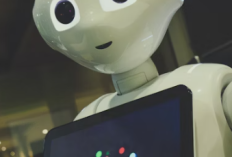
Technology that recognizes emotion once seemed ambitious. The progress accelerated when researchers expanded affective computing . The discipline studies how machines detect emotional cues from voice, text, and movement. Modern models no longer rely on keywords. They analyze patterns in tone, pacing, and context. This shift created quiet advancements that appear across daily tools without drawing attention.
Teams behind these systems collected diverse datasets to avoid biased interpretations. They used recorded conversations, performance readings, and multilingual interactions. The models learned that emotion depends on cultural factors and personal habits. This groundwork allowed developers to design tools for healthcare check-ins, education platforms, and customer support channels.
The Invisible Mechanisms
A system that “feels” follows structured steps. It observes signals, labels them, and matches them with probability scores. Engineers build the structure using multiple models.
Acoustic engines that detect vocal tension
Text analysis models that identify emotional shifts
Gesture recognition systems trained in varied environments
Context filters that adjust meaning based on past interactions
These parts combine to create machines that respond differently depending on user mood. Mental health apps use voice patterns to recommend breathing exercises. Education platforms detect confusion and adjust lesson difficulty. Automotive systems track driver stress and offer alerts. The responses come from prediction, not personal experience.
Public Interaction and Adoption
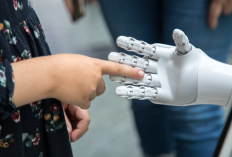
Users interact with emotion-aware systems more often than they realize. Smart assistants soften their tone when a user speaks frantically. Customer service tools escalate calls when tension rises. Fitness applications analyze breathing patterns to measure motivation. The presence of these features does not dominate marketing campaigns. Companies integrate them quietly to improve usability.
The expansion of emotion recognition introduces challenges. Engineers evaluate accuracy across age groups, languages, and social contexts. They test how well the system differentiates frustration from distraction or excitement from urgency. The evaluations shape future deployment guidelines. The progress continues as datasets grow and models refine their sensitivity to nuance.
Technology that learns to feel influences communication tools, therapeutic platforms, and creative industries. It forms a subtle but significant layer in modern digital life. The evolution shows how machines adapt to human rhythm without making themselves the center of attention.