Message: Return type of CI_Session_files_driver::open($save_path, $name) should either be compatible with SessionHandlerInterface::open(string $path, string $name): bool, or the #[\ReturnTypeWillChange] attribute should be used to temporarily suppress the notice
Message: Return type of CI_Session_files_driver::close() should either be compatible with SessionHandlerInterface::close(): bool, or the #[\ReturnTypeWillChange] attribute should be used to temporarily suppress the notice
Message: Return type of CI_Session_files_driver::read($session_id) should either be compatible with SessionHandlerInterface::read(string $id): string|false, or the #[\ReturnTypeWillChange] attribute should be used to temporarily suppress the notice
Message: Return type of CI_Session_files_driver::write($session_id, $session_data) should either be compatible with SessionHandlerInterface::write(string $id, string $data): bool, or the #[\ReturnTypeWillChange] attribute should be used to temporarily suppress the notice
Message: Return type of CI_Session_files_driver::destroy($session_id) should either be compatible with SessionHandlerInterface::destroy(string $id): bool, or the #[\ReturnTypeWillChange] attribute should be used to temporarily suppress the notice
Message: Return type of CI_Session_files_driver::gc($maxlifetime) should either be compatible with SessionHandlerInterface::gc(int $max_lifetime): int|false, or the #[\ReturnTypeWillChange] attribute should be used to temporarily suppress the notice
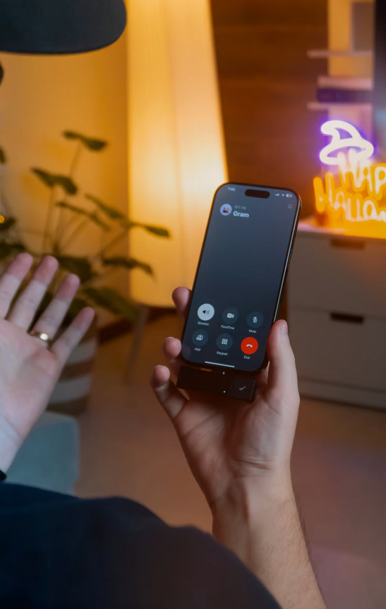
This Halloween I photographed the HiDock P1 and P1 Mini in my home office desk setup. I wanted to capture that cozy work-from-home vibe mixed with a subtle Halloween atmosphere — clean, warm tones with a bit of festive mood. Both devices are compact AI no-Matúš Gocman-Unsplash.com
Artificial Intelligence has quietly turned from a research experiment into a daily companion. Every click, message, and command now interacts with intelligent systems designed to simplify human life. Whether managing emails, organizing meetings, or editing photos, AI tools are reshaping routines with precision and efficiency once thought impossible.
The modern lifestyle demands multitasking. People juggle communication, data, and decision-making across devices and platforms. In this fast rhythm, AI stands as the invisible assistant that learns, predicts, and executes. What used to take hours can now happen in seconds—without requiring human supervision. The transformation is both subtle and revolutionary.
The Rise of Everyday Automation
Automation used to belong to factories and logistics centers. Now, it lives in smartphones and browsers. From virtual assistants like Siri and Google Assistant to automated email filters, AI performs countless micro-tasks that free people from digital clutter. The goal is no longer to replace humans but to help them focus on more meaningful work.
Voice assistants schedule appointments and control home devices.
Email algorithms detect spam and prioritize important messages.
Productivity apps predict task urgency using behavioral data.
Behind these simple interactions lies deep machine learning. AI studies user behavior, learns preferences, and adapts responses. Over time, it forms an invisible layer of intelligence that smooths digital life. What began as convenience has become dependency, making AI an integral part of daily existence.
Smarter Homes and Workspaces
AI-powered devices are transforming homes into responsive environments. Smart thermostats regulate temperature based on patterns, lights adjust to mood, and security cameras recognize familiar faces. These systems operate autonomously, creating comfort while conserving energy. The result is a home that listens, learns, and reacts without constant input.
In workplaces, AI is redefining productivity. Virtual meeting assistants transcribe conversations in real time, while scheduling tools coordinate across global time zones. Document software powered by natural language processing corrects grammar and suggests tone improvements. The boundary between personal assistant and machine has nearly disappeared.
Yet, the dependence on AI raises concerns about privacy and autonomy. When devices record every command and analyze every preference, data ownership becomes blurred. The same intelligence that simplifies life can also observe it too closely. The balance between comfort and control is an ongoing negotiation between users and technology.
AI At The Core Of Personal Productivity
Time management, once a matter of discipline, is now a collaboration between humans and algorithms. Tools like Notion AI, Microsoft Copilot, and Google’s Gemini suggest ideas, summarize information, and even draft professional documents. These systems reduce the mental load that comes with digital overload.
AI helps professionals navigate the sea of emails, notifications, and tasks that define modern work. By predicting what matters most, it minimizes distraction. The subtle intelligence behind these tools is pattern recognition—AI doesn’t just follow commands; it anticipates them.
AI-powered writing assistants craft precise emails and reports.
Task managers learn routines to automate recurring activities.
Search tools summarize documents, turning hours of reading into minutes.
This shift is creating a new relationship between people and information. Knowledge workers now act less as data gatherers and more as decision-makers guided by AI insight. The promise is clear: less effort, more focus, and better results.
AI Behind The Screens
Every time a user scrolls through social media or shops online, AI algorithms are at work. Recommendation systems study habits to display relevant posts, music, or products. Streaming platforms like Netflix and Spotify personalize entertainment based on previous choices. Shopping assistants on e-commerce sites predict needs before they’re expressed.
These systems make daily interactions seamless but subtly shape human behavior. The convenience of prediction can limit exposure to new perspectives. While AI brings efficiency, it also narrows diversity of choice by showing users what they already like. The challenge lies in using AI to expand curiosity rather than confine it.
Creative Tasks Made Easier
AI tools are not limited to data or automation. They now assist in creative fields once defined by human imagination. Designers use AI to generate layouts, writers use it to brainstorm headlines, and musicians experiment with AI-generated sounds. These applications accelerate creativity instead of replacing it.
Image enhancement tools like Adobe Firefly and Canva’s Magic Studio remove backgrounds, improve lighting, and create visuals instantly. Writers rely on grammar assistants or AI idea generators to refine their storytelling. Video editors use AI to synchronize sound and motion automatically. Each tool redefines productivity as collaboration rather than effort.
A PHP Error was encountered
Severity: 8192
Message: ctype_digit(): Argument of type null will be interpreted as string in the future