A PHP Error was encountered
Severity: 8192
Message: Creation of dynamic property CI_URI::$config is deprecated
Filename: core/URI.php
Line Number: 101
Backtrace:
File: /home/u463834734/domains/techripiu.com/public_html/index.php
A PHP Error was encountered
Severity: 8192
Message: Creation of dynamic property CI_Router::$uri is deprecated
Filename: core/Router.php
Line Number: 127
Backtrace:
File: /home/u463834734/domains/techripiu.com/public_html/index.php
A PHP Error was encountered
Severity: 8192
Message: Creation of dynamic property Frontend::$benchmark is deprecated
Filename: core/Controller.php
Line Number: 75
Backtrace:
File: /home/u463834734/domains/techripiu.com/public_html/application/controllers/Frontend.php
File: /home/u463834734/domains/techripiu.com/public_html/index.php
A PHP Error was encountered
Severity: 8192
Message: Creation of dynamic property Frontend::$hooks is deprecated
Filename: core/Controller.php
Line Number: 75
Backtrace:
File: /home/u463834734/domains/techripiu.com/public_html/application/controllers/Frontend.php
File: /home/u463834734/domains/techripiu.com/public_html/index.php
A PHP Error was encountered
Severity: 8192
Message: Creation of dynamic property Frontend::$config is deprecated
Filename: core/Controller.php
Line Number: 75
Backtrace:
File: /home/u463834734/domains/techripiu.com/public_html/application/controllers/Frontend.php
File: /home/u463834734/domains/techripiu.com/public_html/index.php
A PHP Error was encountered
Severity: 8192
Message: Creation of dynamic property Frontend::$log is deprecated
Filename: core/Controller.php
Line Number: 75
Backtrace:
File: /home/u463834734/domains/techripiu.com/public_html/application/controllers/Frontend.php
File: /home/u463834734/domains/techripiu.com/public_html/index.php
A PHP Error was encountered
Severity: 8192
Message: Creation of dynamic property Frontend::$utf8 is deprecated
Filename: core/Controller.php
Line Number: 75
Backtrace:
File: /home/u463834734/domains/techripiu.com/public_html/application/controllers/Frontend.php
File: /home/u463834734/domains/techripiu.com/public_html/index.php
A PHP Error was encountered
Severity: 8192
Message: Creation of dynamic property Frontend::$uri is deprecated
Filename: core/Controller.php
Line Number: 75
Backtrace:
File: /home/u463834734/domains/techripiu.com/public_html/application/controllers/Frontend.php
File: /home/u463834734/domains/techripiu.com/public_html/index.php
A PHP Error was encountered
Severity: 8192
Message: Creation of dynamic property Frontend::$exceptions is deprecated
Filename: core/Controller.php
Line Number: 75
Backtrace:
File: /home/u463834734/domains/techripiu.com/public_html/application/controllers/Frontend.php
File: /home/u463834734/domains/techripiu.com/public_html/index.php
A PHP Error was encountered
Severity: 8192
Message: Creation of dynamic property Frontend::$router is deprecated
Filename: core/Controller.php
Line Number: 75
Backtrace:
File: /home/u463834734/domains/techripiu.com/public_html/application/controllers/Frontend.php
File: /home/u463834734/domains/techripiu.com/public_html/index.php
A PHP Error was encountered
Severity: 8192
Message: Creation of dynamic property Frontend::$output is deprecated
Filename: core/Controller.php
Line Number: 75
Backtrace:
File: /home/u463834734/domains/techripiu.com/public_html/application/controllers/Frontend.php
File: /home/u463834734/domains/techripiu.com/public_html/index.php
A PHP Error was encountered
Severity: 8192
Message: Creation of dynamic property Frontend::$security is deprecated
Filename: core/Controller.php
Line Number: 75
Backtrace:
File: /home/u463834734/domains/techripiu.com/public_html/application/controllers/Frontend.php
File: /home/u463834734/domains/techripiu.com/public_html/index.php
A PHP Error was encountered
Severity: 8192
Message: Creation of dynamic property Frontend::$input is deprecated
Filename: core/Controller.php
Line Number: 75
Backtrace:
File: /home/u463834734/domains/techripiu.com/public_html/application/controllers/Frontend.php
File: /home/u463834734/domains/techripiu.com/public_html/index.php
A PHP Error was encountered
Severity: 8192
Message: Creation of dynamic property Frontend::$lang is deprecated
Filename: core/Controller.php
Line Number: 75
Backtrace:
File: /home/u463834734/domains/techripiu.com/public_html/application/controllers/Frontend.php
File: /home/u463834734/domains/techripiu.com/public_html/index.php
A PHP Error was encountered
Severity: 8192
Message: Creation of dynamic property Frontend::$load is deprecated
Filename: core/Controller.php
Line Number: 78
Backtrace:
File: /home/u463834734/domains/techripiu.com/public_html/application/controllers/Frontend.php
File: /home/u463834734/domains/techripiu.com/public_html/index.php
A PHP Error was encountered
Severity: 8192
Message: Creation of dynamic property Frontend::$db is deprecated
Filename: core/Loader.php
Line Number: 396
Backtrace:
File: /home/u463834734/domains/techripiu.com/public_html/application/controllers/Frontend.php
File: /home/u463834734/domains/techripiu.com/public_html/index.php
A PHP Error was encountered
Severity: 8192
Message: Creation of dynamic property CI_DB_mysqli_driver::$failover is deprecated
Filename: database/DB_driver.php
Line Number: 371
Backtrace:
File: /home/u463834734/domains/techripiu.com/public_html/application/controllers/Frontend.php
File: /home/u463834734/domains/techripiu.com/public_html/index.php
A PHP Error was encountered
Severity: 8192
Message: Return type of CI_Session_files_driver::open($save_path, $name) should either be compatible with SessionHandlerInterface::open(string $path, string $name): bool, or the #[\ReturnTypeWillChange] attribute should be used to temporarily suppress the notice
Filename: drivers/Session_files_driver.php
Line Number: 132
Backtrace:
File: /home/u463834734/domains/techripiu.com/public_html/application/controllers/Frontend.php
File: /home/u463834734/domains/techripiu.com/public_html/index.php
A PHP Error was encountered
Severity: 8192
Message: Return type of CI_Session_files_driver::close() should either be compatible with SessionHandlerInterface::close(): bool, or the #[\ReturnTypeWillChange] attribute should be used to temporarily suppress the notice
Filename: drivers/Session_files_driver.php
Line Number: 292
Backtrace:
File: /home/u463834734/domains/techripiu.com/public_html/application/controllers/Frontend.php
File: /home/u463834734/domains/techripiu.com/public_html/index.php
A PHP Error was encountered
Severity: 8192
Message: Return type of CI_Session_files_driver::read($session_id) should either be compatible with SessionHandlerInterface::read(string $id): string|false, or the #[\ReturnTypeWillChange] attribute should be used to temporarily suppress the notice
Filename: drivers/Session_files_driver.php
Line Number: 166
Backtrace:
File: /home/u463834734/domains/techripiu.com/public_html/application/controllers/Frontend.php
File: /home/u463834734/domains/techripiu.com/public_html/index.php
A PHP Error was encountered
Severity: 8192
Message: Return type of CI_Session_files_driver::write($session_id, $session_data) should either be compatible with SessionHandlerInterface::write(string $id, string $data): bool, or the #[\ReturnTypeWillChange] attribute should be used to temporarily suppress the notice
Filename: drivers/Session_files_driver.php
Line Number: 235
Backtrace:
File: /home/u463834734/domains/techripiu.com/public_html/application/controllers/Frontend.php
File: /home/u463834734/domains/techripiu.com/public_html/index.php
A PHP Error was encountered
Severity: 8192
Message: Return type of CI_Session_files_driver::destroy($session_id) should either be compatible with SessionHandlerInterface::destroy(string $id): bool, or the #[\ReturnTypeWillChange] attribute should be used to temporarily suppress the notice
Filename: drivers/Session_files_driver.php
Line Number: 315
Backtrace:
File: /home/u463834734/domains/techripiu.com/public_html/application/controllers/Frontend.php
File: /home/u463834734/domains/techripiu.com/public_html/index.php
A PHP Error was encountered
Severity: 8192
Message: Return type of CI_Session_files_driver::gc($maxlifetime) should either be compatible with SessionHandlerInterface::gc(int $max_lifetime): int|false, or the #[\ReturnTypeWillChange] attribute should be used to temporarily suppress the notice
Filename: drivers/Session_files_driver.php
Line Number: 356
Backtrace:
File: /home/u463834734/domains/techripiu.com/public_html/application/controllers/Frontend.php
File: /home/u463834734/domains/techripiu.com/public_html/index.php
A PHP Error was encountered
Severity: 8192
Message: Creation of dynamic property Frontend::$session is deprecated
Filename: core/Loader.php
Line Number: 1283
Backtrace:
File: /home/u463834734/domains/techripiu.com/public_html/application/controllers/Frontend.php
File: /home/u463834734/domains/techripiu.com/public_html/index.php
A PHP Error was encountered
Severity: 8192
Message: Creation of dynamic property Frontend::$pagination is deprecated
Filename: core/Loader.php
Line Number: 1283
Backtrace:
File: /home/u463834734/domains/techripiu.com/public_html/application/controllers/Frontend.php
File: /home/u463834734/domains/techripiu.com/public_html/index.php
A PHP Error was encountered
Severity: 8192
Message: Creation of dynamic property Frontend::$agent is deprecated
Filename: core/Loader.php
Line Number: 1283
Backtrace:
File: /home/u463834734/domains/techripiu.com/public_html/application/controllers/Frontend.php
File: /home/u463834734/domains/techripiu.com/public_html/index.php
A PHP Error was encountered
Severity: 8192
Message: Creation of dynamic property Frontend::$form_validation is deprecated
Filename: core/Loader.php
Line Number: 1283
Backtrace:
File: /home/u463834734/domains/techripiu.com/public_html/application/controllers/Frontend.php
File: /home/u463834734/domains/techripiu.com/public_html/index.php
A PHP Error was encountered
Severity: 8192
Message: Creation of dynamic property Frontend::$mdl_backend is deprecated
Filename: core/Loader.php
Line Number: 358
Backtrace:
File: /home/u463834734/domains/techripiu.com/public_html/application/controllers/Frontend.php
File: /home/u463834734/domains/techripiu.com/public_html/index.php
A PHP Error was encountered
Severity: 8192
Message: Creation of dynamic property CI_Loader::$benchmark is deprecated
Filename: core/Loader.php
Line Number: 931
Backtrace:
File: /home/u463834734/domains/techripiu.com/public_html/application/controllers/Frontend.php
File: /home/u463834734/domains/techripiu.com/public_html/index.php
A PHP Error was encountered
Severity: 8192
Message: Creation of dynamic property CI_Loader::$hooks is deprecated
Filename: core/Loader.php
Line Number: 931
Backtrace:
File: /home/u463834734/domains/techripiu.com/public_html/application/controllers/Frontend.php
File: /home/u463834734/domains/techripiu.com/public_html/index.php
A PHP Error was encountered
Severity: 8192
Message: Creation of dynamic property CI_Loader::$config is deprecated
Filename: core/Loader.php
Line Number: 931
Backtrace:
File: /home/u463834734/domains/techripiu.com/public_html/application/controllers/Frontend.php
File: /home/u463834734/domains/techripiu.com/public_html/index.php
A PHP Error was encountered
Severity: 8192
Message: Creation of dynamic property CI_Loader::$log is deprecated
Filename: core/Loader.php
Line Number: 931
Backtrace:
File: /home/u463834734/domains/techripiu.com/public_html/application/controllers/Frontend.php
File: /home/u463834734/domains/techripiu.com/public_html/index.php
A PHP Error was encountered
Severity: 8192
Message: Creation of dynamic property CI_Loader::$utf8 is deprecated
Filename: core/Loader.php
Line Number: 931
Backtrace:
File: /home/u463834734/domains/techripiu.com/public_html/application/controllers/Frontend.php
File: /home/u463834734/domains/techripiu.com/public_html/index.php
A PHP Error was encountered
Severity: 8192
Message: Creation of dynamic property CI_Loader::$uri is deprecated
Filename: core/Loader.php
Line Number: 931
Backtrace:
File: /home/u463834734/domains/techripiu.com/public_html/application/controllers/Frontend.php
File: /home/u463834734/domains/techripiu.com/public_html/index.php
A PHP Error was encountered
Severity: 8192
Message: Creation of dynamic property CI_Loader::$exceptions is deprecated
Filename: core/Loader.php
Line Number: 931
Backtrace:
File: /home/u463834734/domains/techripiu.com/public_html/application/controllers/Frontend.php
File: /home/u463834734/domains/techripiu.com/public_html/index.php
A PHP Error was encountered
Severity: 8192
Message: Creation of dynamic property CI_Loader::$router is deprecated
Filename: core/Loader.php
Line Number: 931
Backtrace:
File: /home/u463834734/domains/techripiu.com/public_html/application/controllers/Frontend.php
File: /home/u463834734/domains/techripiu.com/public_html/index.php
A PHP Error was encountered
Severity: 8192
Message: Creation of dynamic property CI_Loader::$output is deprecated
Filename: core/Loader.php
Line Number: 931
Backtrace:
File: /home/u463834734/domains/techripiu.com/public_html/application/controllers/Frontend.php
File: /home/u463834734/domains/techripiu.com/public_html/index.php
A PHP Error was encountered
Severity: 8192
Message: Creation of dynamic property CI_Loader::$security is deprecated
Filename: core/Loader.php
Line Number: 931
Backtrace:
File: /home/u463834734/domains/techripiu.com/public_html/application/controllers/Frontend.php
File: /home/u463834734/domains/techripiu.com/public_html/index.php
A PHP Error was encountered
Severity: 8192
Message: Creation of dynamic property CI_Loader::$input is deprecated
Filename: core/Loader.php
Line Number: 931
Backtrace:
File: /home/u463834734/domains/techripiu.com/public_html/application/controllers/Frontend.php
File: /home/u463834734/domains/techripiu.com/public_html/index.php
A PHP Error was encountered
Severity: 8192
Message: Creation of dynamic property CI_Loader::$lang is deprecated
Filename: core/Loader.php
Line Number: 931
Backtrace:
File: /home/u463834734/domains/techripiu.com/public_html/application/controllers/Frontend.php
File: /home/u463834734/domains/techripiu.com/public_html/index.php
A PHP Error was encountered
Severity: 8192
Message: Creation of dynamic property CI_Loader::$load is deprecated
Filename: core/Loader.php
Line Number: 931
Backtrace:
File: /home/u463834734/domains/techripiu.com/public_html/application/controllers/Frontend.php
File: /home/u463834734/domains/techripiu.com/public_html/index.php
A PHP Error was encountered
Severity: 8192
Message: Creation of dynamic property CI_Loader::$db is deprecated
Filename: core/Loader.php
Line Number: 931
Backtrace:
File: /home/u463834734/domains/techripiu.com/public_html/application/controllers/Frontend.php
File: /home/u463834734/domains/techripiu.com/public_html/index.php
A PHP Error was encountered
Severity: 8192
Message: Creation of dynamic property CI_Loader::$session is deprecated
Filename: core/Loader.php
Line Number: 931
Backtrace:
File: /home/u463834734/domains/techripiu.com/public_html/application/controllers/Frontend.php
File: /home/u463834734/domains/techripiu.com/public_html/index.php
A PHP Error was encountered
Severity: 8192
Message: Creation of dynamic property CI_Loader::$pagination is deprecated
Filename: core/Loader.php
Line Number: 931
Backtrace:
File: /home/u463834734/domains/techripiu.com/public_html/application/controllers/Frontend.php
File: /home/u463834734/domains/techripiu.com/public_html/index.php
A PHP Error was encountered
Severity: 8192
Message: Creation of dynamic property CI_Loader::$agent is deprecated
Filename: core/Loader.php
Line Number: 931
Backtrace:
File: /home/u463834734/domains/techripiu.com/public_html/application/controllers/Frontend.php
File: /home/u463834734/domains/techripiu.com/public_html/index.php
A PHP Error was encountered
Severity: 8192
Message: Creation of dynamic property CI_Loader::$form_validation is deprecated
Filename: core/Loader.php
Line Number: 931
Backtrace:
File: /home/u463834734/domains/techripiu.com/public_html/application/controllers/Frontend.php
File: /home/u463834734/domains/techripiu.com/public_html/index.php
A PHP Error was encountered
Severity: 8192
Message: Creation of dynamic property CI_Loader::$mdl_backend is deprecated
Filename: core/Loader.php
Line Number: 931
Backtrace:
File: /home/u463834734/domains/techripiu.com/public_html/application/controllers/Frontend.php
File: /home/u463834734/domains/techripiu.com/public_html/index.php
Game Mechanics That Keep Players Addicted Forever
Game Mechanics That Keep Players Addicted Forever
Reporter:
ikbal ikbal |
Editor:
ikbal ikbal |
Jumat 31-10-2025,11:28 WIB
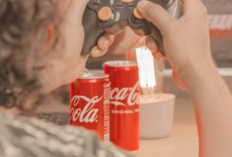
Nintendo Switch in the car-R.D. Smith-https://unsplash.com/
Game Mechanics That Keep Players Addicted ForeverIt starts innocently — one level, one round, one more chance to beat your best score. Then hours disappear. Behind every endlessly engaging game lies a hidden architecture of design and psychology, carefully built to hold attention. These aren’t accidents; they are blueprints — crafted by developers who understand how the human brain responds to challenge, reward, and progress.
The Subtle Science of Play
Modern game design operates at the intersection of art and neuroscience. Every mechanic — from the sound of a reward chime to the rhythm of level pacing — is calculated to trigger emotional and chemical responses. The brain, wired for pattern recognition and gratification, becomes the true battleground of engagement.
The Dopamine Feedback Loop
Every time players overcome a challenge or receive a virtual reward, their brains release dopamine — a neurotransmitter linked to pleasure and motivation. Games leverage this chemical reinforcement to build momentum. The more consistent the loop, the stronger the habit becomes.
Challenge creates anticipation.
Reward delivers satisfaction.
Anticipation resets, and the cycle repeats.
It’s not unlike gambling psychology, yet it thrives in harmless disguise — progress bars, loot boxes, daily missions, and streak counters.
Variable Rewards: The Power of the Unknown
One of the most potent mechanics in game design is unpredictability. Players are drawn to mystery, and designers use this to craft “variable reward schedules.” Not knowing when the next big win will come keeps the mind invested. The principle mirrors the same mechanism used in slot machines — a rush of hope before every spin.
Loot-based games such as Destiny and Diablo exemplify this perfectly. Players grind through repetitive tasks for the chance — not the certainty — of rare items. That chance fuels the loop, making repetition feel rewarding instead of tedious.
Progress Systems and Micro Goals
Humans crave achievement. Game designers exploit this natural desire by breaking large goals into bite-sized objectives. Completing each one triggers microbursts of satisfaction. Whether it’s leveling up, earning badges, or unlocking cosmetics, progress creates a sense of identity and growth.
Level systems reflect improvement and mastery.
Achievements mark milestones of dedication.
Skill trees give players control over evolution.
These systems keep engagement high even when core gameplay becomes familiar. The illusion of continuous growth makes players feel in control — even when they’re following invisible cues designed to retain them.
The Illusion of Choice
Many modern titles offer players branching options — dialogue paths, moral decisions, or alternate endings. But beneath the surface, most of these choices lead back to the same destination. What matters isn’t the outcome — it’s the illusion of agency. Feeling in control is as satisfying as being in control.
Social Mechanics: The Pull of Connection
Games don’t just connect players to worlds — they connect players to each other. The social layer of gaming is among its most powerful hooks. Cooperative missions, friend leaderboards, and guild systems transform solitary play into shared experience. And with social validation comes pressure to return.
When a player logs in daily not just for progress but to maintain friendships, the retention becomes emotional, not mechanical. This shift — from habit to community — keeps live-service games like Fortnite or Genshin Impact alive long after their launch.
Daily Loops and the Psychology of Return
Designers learned early that absence breeds detachment. To prevent this, games integrate “return mechanics” — systems that reward daily logins, consistent play, and streak maintenance. Players who skip a day lose progress or bonuses, creating subtle guilt loops that drive retention.
Daily login rewards trigger FOMO (fear of missing out).
Timed events push players to engage before opportunities vanish.
Limited-time cosmetics appeal to scarcity psychology.
Every mechanic whispers the same message: “Don’t miss out.” It’s not coercion — it’s design elegance that capitalizes on human tendencies.
The Endless Ladder
Many games never truly end. Leaderboards reset, seasons refresh, and competitive ranks cycle infinitely. By removing finality, designers remove closure — ensuring the game always feels alive. Victory becomes temporary, and the desire to reclaim it renews the loop.
Immersion and the Flow State
A PHP Error was encountered
Severity: 8192
Message: ctype_digit(): Argument of type null will be interpreted as string in the future
Filename: libraries/Pagination.php
Line Number: 525
Backtrace:
File: /home/u463834734/domains/techripiu.com/public_html/application/views/frontend/detail-artikel.php
File: /home/u463834734/domains/techripiu.com/public_html/application/controllers/Frontend.php
File: /home/u463834734/domains/techripiu.com/public_html/index.php