Message: Return type of CI_Session_files_driver::open($save_path, $name) should either be compatible with SessionHandlerInterface::open(string $path, string $name): bool, or the #[\ReturnTypeWillChange] attribute should be used to temporarily suppress the notice
Message: Return type of CI_Session_files_driver::close() should either be compatible with SessionHandlerInterface::close(): bool, or the #[\ReturnTypeWillChange] attribute should be used to temporarily suppress the notice
Message: Return type of CI_Session_files_driver::read($session_id) should either be compatible with SessionHandlerInterface::read(string $id): string|false, or the #[\ReturnTypeWillChange] attribute should be used to temporarily suppress the notice
Message: Return type of CI_Session_files_driver::write($session_id, $session_data) should either be compatible with SessionHandlerInterface::write(string $id, string $data): bool, or the #[\ReturnTypeWillChange] attribute should be used to temporarily suppress the notice
Message: Return type of CI_Session_files_driver::destroy($session_id) should either be compatible with SessionHandlerInterface::destroy(string $id): bool, or the #[\ReturnTypeWillChange] attribute should be used to temporarily suppress the notice
Message: Return type of CI_Session_files_driver::gc($maxlifetime) should either be compatible with SessionHandlerInterface::gc(int $max_lifetime): int|false, or the #[\ReturnTypeWillChange] attribute should be used to temporarily suppress the notice
How Smart Devices Are Quietly Taking Over Your Routine
Reporter:
ikbal ikbal|
Editor:
ikbal ikbal|
Rabu 12-11-2025,22:38 WIB
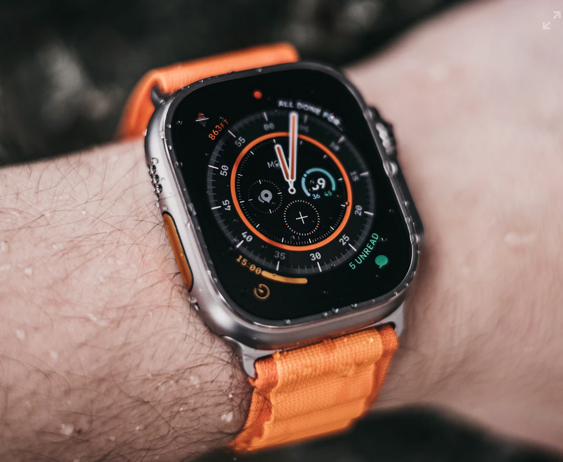
Watch Ultra with orange band.-Alek Olson-Unsplash.com
How Smart Devices Are Quietly Taking Over Your Routine
Not long ago, the idea of a home that could think for itself belonged to science fiction. Today, that fiction has become a quiet reality. Smart devices have slipped into daily life—one lightbulb, speaker, or watch at a time—transforming ordinary routines into seamless digital experiences. The shift is so subtle that many people barely notice how dependent they’ve become on intelligent machines.
From the moment an alarm goes off in the morning to the time lights dim automatically at night, smart devices manage comfort, security, and communication. They observe patterns, anticipate needs, and act before commands are spoken. Convenience has become the new form of invisibility: technology that works so smoothly it fades into the background.
The Invisible Infrastructure Of Daily Life
Every modern routine now connects to a hidden network of data. The phone in your pocket, the thermostat on your wall, and the speaker on your desk share a silent language through the Internet of Things (IoT). These devices communicate not only with you but with each other, forming a web of coordination that quietly orchestrates your day.
Smartphones have become command centers, linking watches, cameras, and appliances into a synchronized system. This integration turns isolated gadgets into intelligent collaborators. The more connected they are, the less you have to think about them. They adapt automatically—adjusting temperature, lighting, or reminders based on your habits.
Smart thermostats learn your preferred temperatures and energy use patterns.
Smartwatches track sleep, heart rate, and movement with medical precision.
Voice assistants manage schedules, music, and even grocery lists.
These small automations save minutes that add up to hours each week. What once felt like luxury now feels like necessity.
The Rise Of Predictive Living
Smart devices don’t just respond—they predict. Using machine learning, they identify patterns and anticipate your next action. A smartwatch might remind you to stand before fatigue sets in, while a refrigerator may suggest recipes based on its contents. This predictive capability makes daily life smoother but also subtly shapes behavior.
The idea of predictive living goes beyond convenience. It reflects a new human-technology relationship built on trust and data exchange. Each device learns a little more about you, forming a detailed profile of preferences and routines. Over time, your digital environment knows you as well as you know yourself—sometimes better.
AI-driven apps recommend when to sleep, exercise, or hydrate.
Navigation systems predict routes based on traffic and calendar events.
Streaming services suggest entertainment tailored to mood and history.
These predictions save time but also influence choices. The line between assistance and control becomes blurred as algorithms quietly guide decisions once made by instinct.
Smart Homes Becoming The New Standard
Home automation used to be a luxury for tech enthusiasts. Now, it’s becoming a mainstream expectation. Builders design homes pre-fitted with connected lighting, climate systems, and security cameras. Residents can monitor and manage everything from their phones, even from miles away.
Voice-controlled hubs like Amazon Echo, Google Nest, and Apple HomePod act as central brains, connecting every smart device into a unified system. The living room becomes a control center where speech replaces switches. Commands like “turn off the lights” or “lock the door” are no longer futuristic—they’re everyday language.
What’s fascinating is how this technology adapts over time. Devices share data across platforms to optimize performance. If the air conditioner senses high humidity, it can signal a smart window to close. The home behaves less like a machine and more like a living organism that breathes and reacts.
Work And Wellness Intertwined With Devices
As work increasingly blends with home life, smart technology bridges both spaces. Wearables monitor physical well-being during long office hours, while productivity tools track focus levels. Smart speakers assist with meetings, sending reminders or summarizing conversations. The boundary between workspace and living space grows fluid, supported by AI-driven convenience.
Wellness has also become a central feature. Devices no longer just count steps; they monitor stress and suggest breathing exercises. Sleep trackers analyze patterns to recommend ideal rest schedules. Smart mirrors assess skin conditions or posture. These insights turn everyday objects into personal health consultants.
The more data devices collect, the more personalized the feedback becomes. The routine of checking a phone for guidance or reassurance has become second nature—a habit shaped by invisible algorithms working behind the screen.
The Cost Of Constant Connectivity
A PHP Error was encountered
Severity: 8192
Message: ctype_digit(): Argument of type null will be interpreted as string in the future